Unlocking Your Future: Essential Phlebotomist Education and Training Explained
Are you interested in a career that plays a vital role in healthcare? Becoming a phlebotomist might be the perfect path for you.This article will guide you through the essential education and training required for phlebotomy, providing insights into the benefits, practical tips, and frist-hand experiences. Let’s dive in!
What is Phlebotomy?
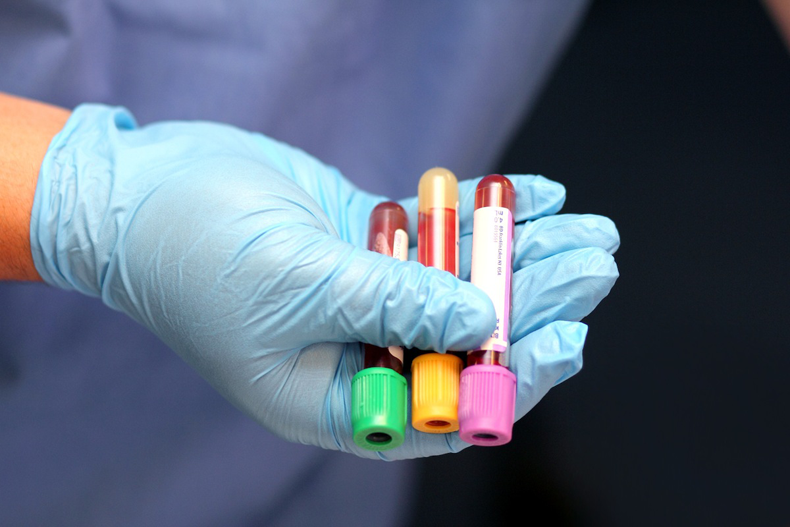
Phlebotomy is the practice of drawing blood from patients for tests, transfusions, research, or blood donations.Phlebotomists are trained healthcare professionals responsible for ensuring that blood samples are collected safely and efficiently, making them indispensable in various medical settings.
Essential Education for aspiring Phlebotomists
Too embark on your journey as a phlebotomist, you need a foundational understanding of the science behind blood collection. Here’s what education typically looks like:
High School Diploma or GED
The first step toward becoming a phlebotomist is obtaining a high school diploma or GED. This serves as the basic educational requirement for entry into most phlebotomy programs.
Post-Secondary Education Options
While a high school diploma can help kickstart your career, formal education can set you apart. Here are some popular educational options:
- Phlebotomy Certificate Programs: These programs typically last a few months and cover essential topics such as anatomy, physiology, and blood collection techniques.
- Associate Degree in Clinical Laboratory Technology: A two-year degree that includes broader coursework and training in laboratory operations.
- On-the-job Training: Some healthcare employers offer on-the-job training, but this often follows completion of formal education.
Phlebotomist Training: What to Expect
After completing the educational prerequisites, the next step is formal training. Here’s what training typically includes:
Clinical Training
This hands-on component allows students to practice blood draws and gain experience in a real-world setting. Training typically involves:
- Instructive demonstrations
- supervised practice
- Engagement with actual patients
Courses to Consider
When choosing a phlebotomy program, look for courses covering:
- Phlebotomy techniques
- Basic anatomy and physiology
- Medical terminology
- Patient interaction and communication skills
- Safety and infection control
Certification and Licensing Requirements
While certification isn’t always mandatory, obtaining certification from a recognized organization can enhance your job prospects. Here are some well-known certifying agencies:
| Certification Organization | benefits |
|---|---|
| National Phlebotomy Association (NPA) | Widely recognized in the healthcare community. |
| American Society for Clinical Pathology (ASCP) | Highly regarded for clinical laboratory professionals. |
| american Medical Technologists (AMT) | Offers various certifications for allied health professionals. |
Benefits of Becoming a phlebotomist
Choosing a career in phlebotomy comes with several benefits, including:
- Job Stability: The demand for skilled phlebotomists remains high in the healthcare sector.
- Short Training Period: Phlebotomy training programs can be completed in a few months, allowing for a quick entry into the workforce.
- Versatile Work Environments: Phlebotomists can work in hospitals, clinics, blood donation centers, and even mobile labs.
- Career Advancement: With additional education, phlebotomists can move into roles such as laboratory technicians, medical assistants, or even healthcare administrators.
First-Hand experience: A Day in the Life of a Phlebotomist
To provide a better understanding of the phlebotomist’s role, here is a typical day as described by a practicing phlebotomist:
“My day typically starts with reviewing the schedule and preparing my equipment.I interact with patients, explaining the blood collection process to ease their nerves. Each day is different, as I work with various patient demographics. The most rewarding part is knowing that my work contributes to accurate diagnoses and better patient care.”
Practical Tips for Aspiring Phlebotomists
To ensure success in your phlebotomy career,consider these helpful tips:
- Practice Communication Skills: Effective communication is key to easing patient anxiety and ensuring comfort during blood draws.
- Keep Learning: Stay current with best practices,technology advancements,and updates in the medical field.
- Network: Connect with other healthcare professionals through workshops and conferences to gain insights and potential job leads.
Conclusion
Unlocking your future as a phlebotomist involves understanding the essential educational and training requirements,as well as the skills and certifications that will buoy your career. Phlebotomy is not just a job; it’s a gateway to a fulfilling career in healthcare. With the right training, dedication, and practice, you can become a successful phlebotomist and contribute to the lives of many. Start your journey today—your future awaits!