Unlocking Your Path to Phlebotomy: Essential Skills and Requirements to Become a Successful Phlebotomist
Are you considering a career as a phlebotomist? This specialized field offers **an essential service** in the healthcare industry, focusing on the collection of blood samples for tests, transfusions, or donations. Becoming a successful phlebotomist requires a unique combination of skills, education, and personal attributes. In this comprehensive guide, we will explore the essential skills and requirements you need to unlock your path to a rewarding career in phlebotomy.
Understanding Phlebotomy
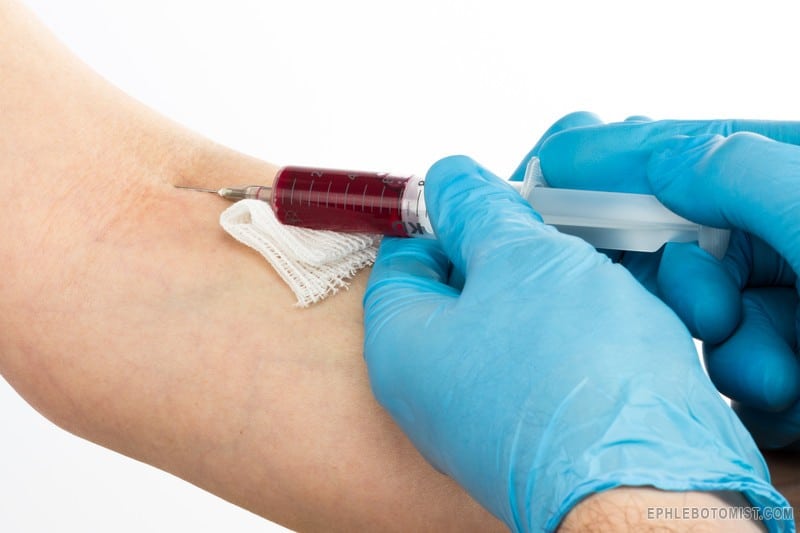
Phlebotomy is the practice of drawing blood from a patient for clinical or medical purposes. Phlebotomists play a critical role in patient care,working closely with healthcare professionals to ensure accurate diagnoses and effective treatment plans. here are some key responsibilities:
- Collecting blood samples safely and efficiently.
- Labeling and handling specimens properly.
- Maintaining equipment and ensuring cleanliness in work areas.
- Providing remarkable patient care to alleviate anxiety and discomfort.
- Documenting procedures and maintaining accurate records.
Essential Skills for Phlebotomists
to thrive as a phlebotomist, you need a diverse skill set that combines technical proficiency with interpersonal abilities. Here are the essential skills required:
1. Technical Skills
- Venipuncture techniques: mastery in blood collection from veins is essential.
- Knowledge of equipment: Familiarity with needles, vacutainers, and other blood collection devices.
- Sample Handling: Understanding proper storage and transport methods for specimens.
2. Attention to Detail
Precision is vital in phlebotomy. A small mistake in labeling or collecting blood can lead to serious consequences. Phlebotomists must be meticulous in their work.
3. Interaction Skills
Effective communication is essential for making patients feel agreeable. Phlebotomists must explain procedures clearly and answer any questions to reduce anxiety.
4. Empathy and patient Care
Phlebotomists often work with anxious or nervous patients. Demonstrating empathy helps to build trust and ensures a smoother blood collection process.
5. Organizational Skills
Good organizational skills are essential for maintaining accurate records and managing multiple samples effectively.
Educational Requirements
To become a phlebotomist, specific educational paths and training programs are available. Here’s a breakdown of the typical requirements:
| Requirement | Description |
|---|---|
| High School Diploma | A basic educational qualification required to start training in phlebotomy. |
| Phlebotomy Training Program | Completion of a phlebotomy program, which can be found at community colleges or vocational schools. |
| Certification | Obtaining certification from recognized organizations such as the American Society for Clinical Pathology (ASCP) or National Phlebotomy Association (NPA). |
Certification and Licensing
Although certification may not be mandatory in all states, obtaining certification can **enhance your job prospects** and demonstrate your competence in phlebotomy. Here are some notable certification options:
- American Society for Clinical Pathology (ASCP): A widely recognized certification that validates your skills and knowledge.
- National phlebotomy Association (NPA): Offers certification examinations that are respected in the industry.
- American Medical technologists (AMT): Provides a certification specifically for phlebotomists.
Benefits of a Career in Phlebotomy
Choosing a career in phlebotomy comes with numerous benefits:
- Growing Job Market: The demand for phlebotomists continues to rise, offering numerous job opportunities across hospitals, clinics, and laboratories.
- Short Training Period: Most phlebotomy programs can be completed in less than a year, making it a quick entry into the healthcare field.
- Adaptability: Many phlebotomists enjoy flexible work hours, with opportunities for full-time or part-time work.
- Rewarding Experience: Helping patients and contributing to their healthcare can be deeply satisfying.
Practical Tips for Aspiring Phlebotomists
To ensure your success in phlebotomy, here are some practical tips:
- Always practice aseptic techniques to prevent infection.
- Stay updated with the latest techniques and industry standards.
- Develop strong interpersonal skills to enhance patient interactions.
- Participate in hands-on training to boost confidence and proficiency.
Case Study: A Day in the Life of a Phlebotomist
To give you an idea of what it’s like to work as a phlebotomist, let’s take a look at a typical day for Jamie, an experienced phlebotomist:
Jamie starts the day by reviewing scheduled patients and preparing her equipment. She carefully collects blood samples from each patient, ensuring warmth and comfort throughout the process. By skillfully employing her technical knowledge and empathetic communication, Jamie often finds herself calming anxious patients, turning a possibly stressful experience into a pleasant one.
After completing the morning rounds,Jamie logs the samples into the laboratory system,verifying accuracy and ensuring timely transportation for testing. By the end of her shift,Jamie reflects on how satisfying it is to contribute to patient care through her vital role.
Conclusion
Phlebotomy is more than just drawing blood; it’s about providing essential support in the healthcare system. By developing the necessary skills, completing training programs, and obtaining certifications, you can unlock your path to a fulfilling career as a phlebotomist. Whether you are drawn to the technical aspects or enjoy working closely with patients,phlebotomy offers a unique prospect to make a meaningful impact in peopel’s lives. start your journey today, and open the door to a world of possibilities in the healthcare field!