Unlock Yoru Career Potential: A Complete Guide to National Phlebotomy Certification
Are you considering a career in healthcare? Phlebotomy might be the perfect choice for you! This extensive guide will explore everything you need to know about national phlebotomy certification, including benefits, requirements, and how to get started on your journey to becoming a certified phlebotomist.
What is Phlebotomy?
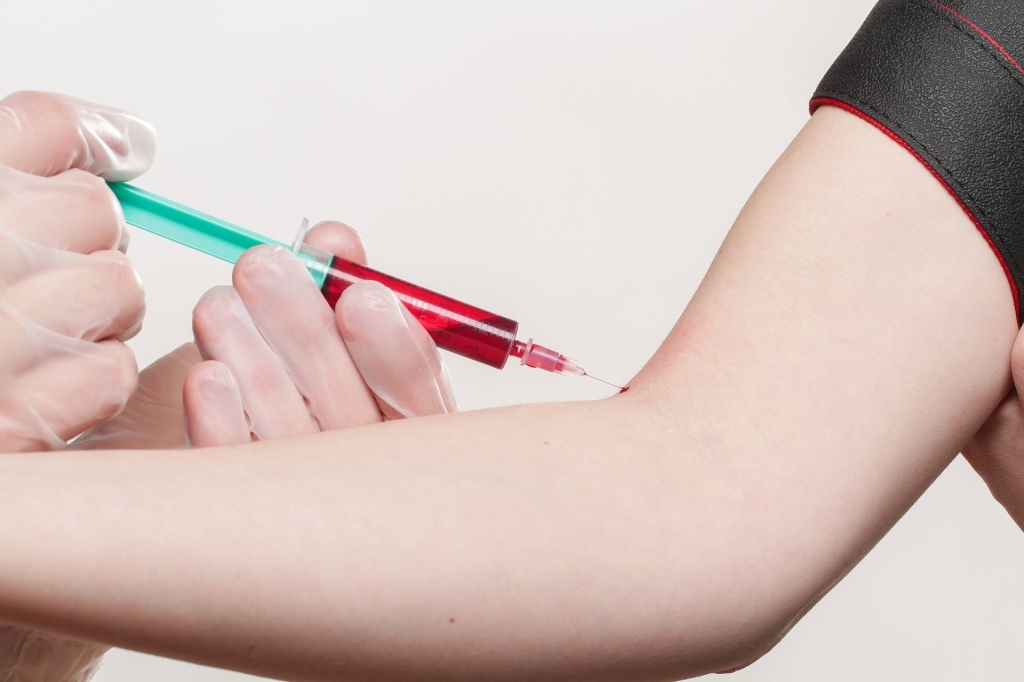
Phlebotomy is the practice of drawing blood from patients for medical testing, transfusions, research, or blood donations. Certified phlebotomists play a crucial role in the healthcare system, and their skills are highly sought after.
Why Pursue National phlebotomy Certification?
Obtaining a national phlebotomy certification has several key advantages:
- Increased Job Opportunities: Employers prefer hiring certified phlebotomists due to their proven skills and formal training.
- Higher Earning Potential: Certified professionals often command higher salaries than their non-certified counterparts.
- Professional Recognition: Certification demonstrates your commitment to the profession and adherence to industry standards.
- Improved Patient Trust: Patients are more likely to feel cozy with certified professionals, ensuring better care.
Eligibility Requirements for National Phlebotomy Certification
To become a nationally certified phlebotomist, candidates typically need to meet certain requirements:
- Age: Must be at least 18 years old.
- Education: A high school diploma or equivalent is usually required.
- Training: Completion of an accredited phlebotomy training program that includes both classroom instruction and hands-on clinical experience.
- Background Check: A criminal background check may be required.
Steps to Obtain National Phlebotomy Certification
Follow these steps to achieve your national phlebotomy certification:
- Research Certification Organizations: Some recognized certifying bodies include the National Phlebotomy Association (NPA), American Society for Clinical Pathology (ASCP), and National Healthcareer Association (NHA).
- Enroll in a Phlebotomy Training program: Choose a program accredited by a recognized association and complete the required coursework.
- Complete Clinical Experience: Practical experience is crucial; you need to perform a specific number of blood draws under supervision.
- Apply for Certification Exam: Once education and training are complete, fill out the request for your chosen certifying organization and pay the necessary fees.
- pass the Certification Exam: Study thoroughly and take the exam to demonstrate your knowlege and skills.
- Maintain Your Certification: Stay informed about recertification requirements and complete any continuing education needed to remain certified.
Cost of National Phlebotomy Certification
The costs associated with obtaining national phlebotomy certification can vary widely depending on the training program and certification organization. Below is a simple breakdown:
| Cost Component | Estimated Amount |
|---|---|
| Phlebotomy Training Program | $800 – $3,500 |
| Certification Exam Fee | $90 – $200 |
| Background Check | $30 – $100 |
| study Materials | $50 – $150 |
benefits of a Phlebotomy Career
Choosing a career in phlebotomy comes with numerous benefits:
- Job Stability: The demand for trained phlebotomists continues to grow, ensuring steady employment opportunities.
- Flexible Schedule: Many phlebotomists work part-time or flexible hours, making it easier to balance work and life.
- Ability to Help Others: Phlebotomists play a crucial role in diagnosing and treating patients, providing them with essential care.
- Career Advancement: With experience, you can move into supervisory roles or expand your expertise into related healthcare fields.
First-Hand experiences: Insights from Certified Phlebotomists
To provide additional insight, we reached out to a few certified phlebotomists and gathered their thoughts:
Jane Doe, Certified Phlebotomist: “Phlebotomy was the perfect entry into healthcare for me. I love working with patients and helping them feel comfortable during their blood draws!”
John Smith,Certified Phlebotomist: “The training was thorough,and passing my certification exam felt like a significant achievement. It’s rewarding to know I’m making a difference in people’s lives!”
Conclusion
Obtaining national phlebotomy certification is a crucial step in unlocking your career potential in the healthcare field. Not only does it enhance your employability and earning potential, but it also allows you to make a meaningful impact in patients’ lives. By following the outlined steps and considering the benefits of this profession, you’ll be well on your way to launching a successful career in phlebotomy. Take the first step today,and open the door to endless possibilities in healthcare!