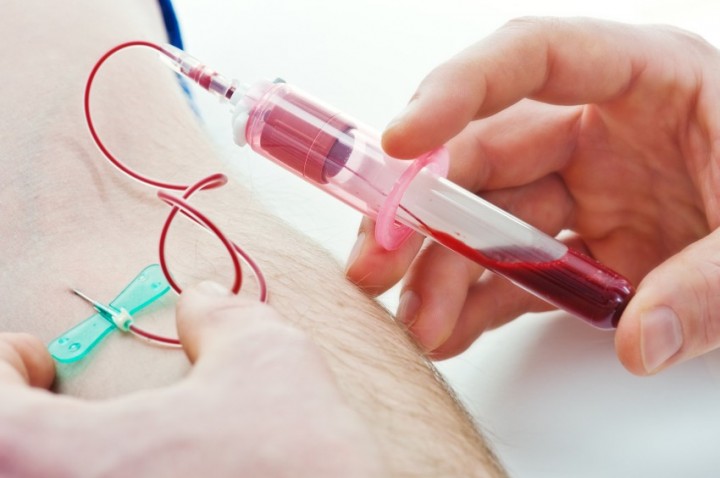
Essential Steps to Achieve Phlebotomy certification: Your Complete Guide to Requirements
Introduction
Becoming a certified phlebotomist opens doors to a rewarding career in the healthcare field. Phlebotomy is essential for collecting blood samples for testing, and trained professionals are in high demand across hospitals, labs, and clinics.In this comprehensive guide, we will walk you through the essential steps to achieve your phlebotomy certification, covering requirements, benefits, and practical tips for success.
The Importance of Phlebotomy Certification
phlebotomy certification demonstrates that you possess the necessary skills and knowledge to perform blood draws safely and effectively. It also enhances your credibility with employers and may lead to better job opportunities and higher salaries. Below are some key benefits of obtaining a phlebotomy certification:
- Enhanced Job Opportunities: certified phlebotomists are more sought after by employers.
- Higher Earning Potential: Certified professionals often earn higher wages compared to non-certified peers.
- Increased Skills and Training: Training programs improve your technical and interpersonal skills.
- Professional Credibility: Certification gives you an edge in a competitive job market.
Essential Steps to Achieve Phlebotomy Certification
1. Understand the Requirements
The first step toward certification is understanding the basic requirements. While specific prerequisites may vary by state or certification agency, general requirements include:
- Minimum age of 18 years
- High school diploma or GED
- Completion of a state-approved phlebotomy training program
2. Complete a Phlebotomy Training Program
Enrolling in a reputable phlebotomy training program is essential. Look for programs that offer hands-on experience and training on venipuncture techniques, infection control, and more. Key aspects to consider when selecting a program include:
- Accreditation
- Duration of the program
- Clinical experience opportunities
- Student support services
3. gain Clinical Experience
hands-on experience is crucial for mastering phlebotomy skills. Most training programs require students to complete a specified number of clinical hours. This hands-on component allows you to practice blood draws under the supervision of experienced professionals.
4. Choose a Certification Body
Numerous organizations offer phlebotomy certifications. Some of the most recognized certification bodies include:
| Certification Body | Exam Requirements |
|---|---|
| American Society of Phlebotomy Technicians (ASPT) | Complete training program and exam |
| National Healthcareer Association (NHA) | Training program and a minimum of 100 triumphant blood draws |
| American Medical Technologists (AMT) | Complete training program or work experience |
5. Prepare for the Certification exam
Once you have chosen your certifying institution, it’s time to prepare for the certification exam. Here are some planning tips:
- Use study guides and review materials
- Participate in study groups
- Take practice exams to gauge your knowledge
- Familiarize yourself with the exam format and content areas
6. Pass the Certification Exam
The certification exam will typically cover various aspects of phlebotomy, including blood collection techniques, safety protocols, and patient interaction. Achieving a passing score will earn you your certification, which is a meaningful milestone in your professional journey.
7. Maintain Your Certification
Continuous education is essential in healthcare. Most certification bodies require certified phlebotomists to complete continuing education units (CEUs) and renew their certification every few years. Stay updated with the latest practices and advancements in phlebotomy to maintain your edge in the field.
Practical Tips for Success
Here are some additional tips to enhance your chances of successfully earning your phlebotomy certification:
- Network: Connect with classmates, instructors, and professionals in the field to learn from their experiences.
- Stay Organized: Keep track of requirements, deadlines, and documents needed for certification.
- Practice Mindfulness: Phlebotomy can be stressful; practice relaxation techniques to maintain focus during blood draws.
- Seek feedback: Always seek feedback from experienced professionals to improve your technique.
Case Studies: First-Hand Experience
Real-world experiences can provide invaluable insights into the phlebotomy profession. Here are testimonials from certified phlebotomists:
“Completing my certification was a challenging yet rewarding experience. The hands-on training made all the difference in my confidence when working with patients.” – Sarah, certified Phlebotomist
“I chose to get certified as it was a requirement for my job. I wasn’t expecting to learn so much, but I now feel prepared to handle any situation in my workplace.” – Tom, Certified Phlebotomist
Conclusion
Achieving phlebotomy certification is a well-structured process that requires dedication and a commitment to learning. By following the steps outlined in this guide, you can confidently navigate the certification requirements and embark on a fulfilling career. Remember to leverage your network, continuously seek to improve your skills, and stay updated on industry practices. Together, these will ensure you not only become a certified phlebotomist but also a successful one.