Phlebotomist Salary Insights: discover the Average Pay for This In-Demand Profession
As healthcare continues to evolve, certain professions are experiencing a surge in demand. One such profession is that of a phlebotomist. If you have an interest in the medical field and possess good communication skills, a career in phlebotomy might be perfect for you. in this article,we will explore phlebotomist salary insights,including average pay,factors that affect compensation,job outlook,and tips for aspiring phlebotomists.
Understanding the Role of a Phlebotomist
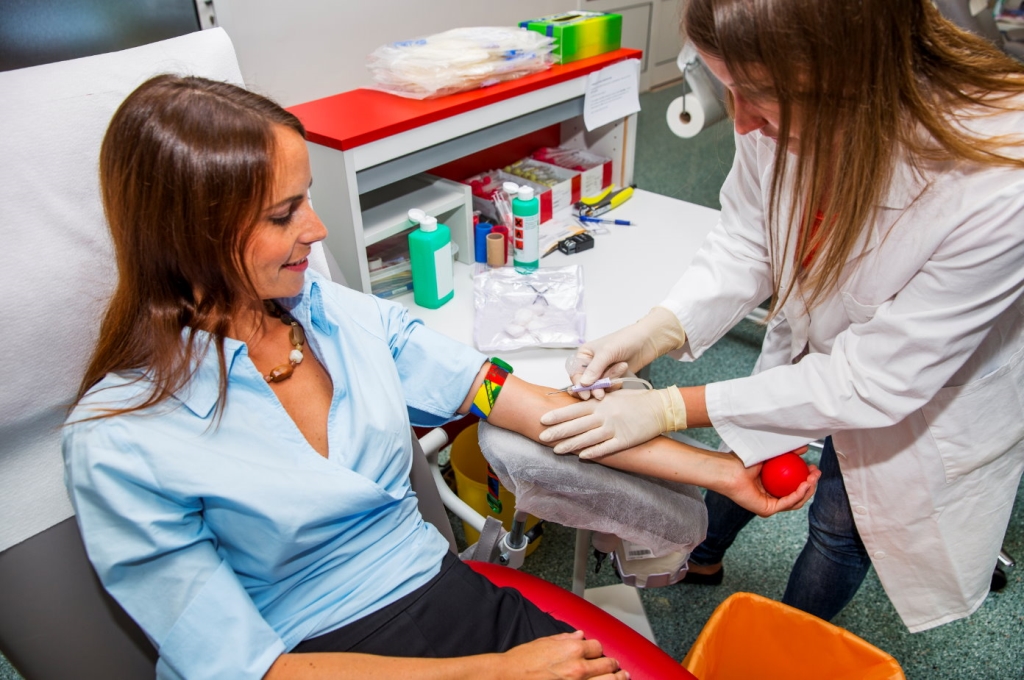
Phlebotomists are trained medical professionals responsible for drawing blood from patients for testing, transfusions, research, or donation purposes. They play a critical role in patient care and the medical diagnostics process. Here are some key responsibilities:
- Collecting blood samples from patients
- Maintaining patient records
- Ensuring the safety and comfort of patients during procedures
- Labeling and processing blood specimens
- Adhering to safety protocols to avoid infection
Average Phlebotomist salary
The average salary for a phlebotomist can vary substantially based on several factors, including geographical location, level of education, years of experience, and the type of healthcare facility where they work. According to the U.S. Bureau of Labor Statistics (BLS), the average annual salary for phlebotomists is approximately:
| Experience Level | Average Salary |
|---|---|
| Entry-Level | $32,000 – $36,000 |
| Mid-Career | $36,000 – $41,000 |
| Experienced | $41,000 – $50,000+ |
Salary by Location
Salaries can differ vastly based on the state or region, with urban areas generally offering higher salaries due to the cost of living. Here are some average salaries by state:
| State | Average Salary |
|---|---|
| California | $45,000 |
| Florida | $37,000 |
| Texas | $38,000 |
| new York | $49,000 |
| Illinois | $42,000 |
Factors Affecting Phlebotomist Salary
Several factors can influence a phlebotomist’s salary, including:
- Experience: As with many professions, increased experience often leads to higher pay.
- certification: Certified phlebotomists typically command higher salaries.Certifications such as the Certified Phlebotomy Technician (CPT) or Registered Phlebotomy Technician (RPT) can enhance job prospects and earning potential.
- Industry: Phlebotomists working in hospitals may earn more than those working in outpatient labs or clinics.
- Location: As mentioned earlier, higher living costs in certain regions tend to result in higher salaries.
Job Outlook for Phlebotomists
The job outlook for phlebotomists is quiet strong, with a projected growth rate of 22% from 2020 to 2030, which is much faster than the average for all occupations. The increase in the aging population and advancements in healthcare technology are driving the demand for medical services, including phlebotomy.
Benefits of a Career in Phlebotomy
Choosing a career as a phlebotomist comes with several benefits:
- Short Training Period: Phlebotomy training programs usually take six months to a year, allowing you to enter the workforce quickly.
- Rewarding Experience: Helping patients and being part of their healthcare journey can be fulfilling.
- Employment Opportunities: A wide range of healthcare facilities require phlebotomists, from hospitals to blood donation centers.
- Potential for Advancement: With additional training, phlebotomists can advance to roles like laboratory technicians or medical assistants.
Real-World Experience: A Phlebotomist’s Journey
Let’s explore a brief case study of Sarah, a certified phlebotomist.
“after completing my certification program, I started working at a community hospital. Initially, my salary was around $35,000 annually. After two years of hard work and gaining experience, my salary increased to $41,000. I also had the chance to mentor othre new phlebotomists, which has been incredibly rewarding! The best part of this job is connecting with patients and providing them comfort during what can often be a stressful experience.” — Sarah
Practical Tips for Aspiring Phlebotomists
If you’re interested in pursuing a career as a phlebotomist, consider the following tips:
- Research Training Programs: Find a reputable phlebotomy training program that offers certification upon completion.
- Gain Experience: Seek internships or volunteer opportunities in hospitals or clinics to gain hands-on experience.
- network: Connect with other professionals in the field through social media platforms like LinkedIn.
- Stay Updated: Keep abreast of new techniques and changes in the healthcare industry to remain a competitive candidate.
Conclusion
The demand for phlebotomists is likely to continue rising, making it a stable career choice for those interested in the healthcare field. Understanding the factors that affect a phlebotomist’s salary can help you make informed decisions about your career path.With the right training,certification,and experience,a rewarding career as a phlebotomist awaits. Whether you’re looking for a fulfilling job or a stepping stone to greater opportunities in healthcare, phlebotomy could be the right fit for you!