Unlock Your Future: A Step-by-Step Guide on How to Become a Phlebotomist
Introduction
Are you considering a career in healthcare that offers both stability and the prospect to make a significant impact on patients’ lives? Look no further than phlebotomy! Becoming a phlebotomist is an excellent choice for those interested in pursuing a rewarding career in the medical field. This comprehensive guide will walk you through the necessary steps to become a certified phlebotomist, explore the benefits of this career, and share practical tips to set you up for success.
What is a Phlebotomist?
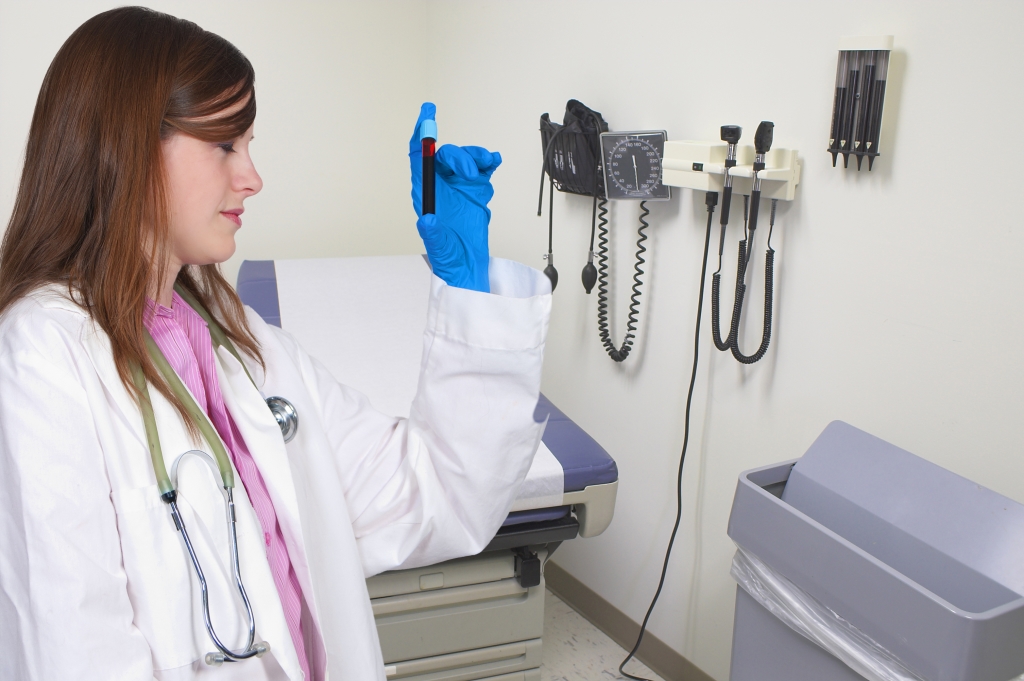
A phlebotomist is a healthcare professional trained to draw blood from patients for various laboratory tests, transfusions, or donations. This role is crucial in the healthcare field, as accurate blood testing is fundamental for diagnosing illnesses and monitoring health conditions. Phlebotomists work in hospitals, clinics, blood donation centers, and laboratories.
Step 1: Understand the Educational Requirements
To become a phlebotomist, it’s essential to have a solid educational foundation. Here are the key steps:
- Complete a high school diploma or GED.
- Enroll in a phlebotomy training program—either online or in-person.
- Consider obtaining a certification from a recognized body such as the American Society for Clinical Pathology (ASCP) or the National Phlebotomy Association (NPA).
While some employers may only require on-the-job training,certification can enhance job prospects and earning potential.
step 2: Choose a Training Program
Selecting the right training program is crucial.consider the following factors:
- Accreditation and reputation of the institution.
- Course curriculum and hands-on training opportunities.
- Success rate of graduates in securing employment.
- Cost of the program and available financial aid options.
Many programs include a combination of classroom instruction and practical experience, focusing on skills such as blood collection techniques, patient interaction, and infection control.
Step 3: Gain Practical Experience
After completing your training program, gaining hands-on experience is essential. Moast programs will include externships were you can work under the supervision of a licensed phlebotomist. This experience is invaluable for honing your skills, gaining confidence, and understanding workplace dynamics. Here are a few places to seek practical experience:
- Local hospitals
- Clinics
- Blood donation centers
- Laboratories
Step 4: Obtain Certification
While not always mandatory,certification is highly recommended and can give you a competitive edge in the job market. The certification process typically includes:
- Passing a written exam that tests your knowledge of phlebotomy.
- Completing a specified number of venipunctures (blood draws) successfully.
Check with certifying bodies for specific requirements. Here’s a brief overview of popular certifications:
| Certification | issuing Organization | Requirements |
|---|---|---|
| Certified phlebotomy Technician (CPT) | National Center for Competency Testing (NCCT) | Completed training program and passed exam. |
| Phlebotomy Technician Certification (PBT) | ASCP | Completed training and passed exam. |
| National Certified Phlebotomy Technician (NCPT) | NPA | Competency through training; exam required. |
Step 5: Apply for Jobs in the Field
Once certified, it’s time to start applying for jobs! Here’s how to kickstart your job search:
- Update your resume to highlight relevant skills and experiences.
- Use job search platforms,hospital websites,and networks to find open positions.
- Prepare for interviews by reviewing common questions and practicing your answers.
Benefits of Becoming a Phlebotomist
Choosing a career as a phlebotomist has several advantageous aspects:
- Job Demand: The healthcare industry continues to grow, with a high demand for qualified phlebotomists.
- Job Satisfaction: Helping patients and contributing to healthcare can be deeply fulfilling.
- Flexible Hours: Phlebotomists frequently enough have flexible scheduling options, making it easy to balance work and personal life.
- Career Advancement: The skills you acquire as a phlebotomist can pave the way for further opportunities in nursing or laboratory management.
Practical Tips for Aspiring Phlebotomists
To enhance your chances of success in this rewarding career, consider these practical tips:
- Practice good communication skills to effectively interact with patients.
- Stay updated on the latest phlebotomy techniques and safety regulations.
- Join professional associations to network and access resources.
- Maintain a strong attention to detail for accurate blood collection and documentation.
case Study: A day in the Life of a Phlebotomist
Meet Sarah,a certified phlebotomist at a local hospital. A typical day involves:
- Arriving early to prepare the workstation and gather necessary supplies.
- Meeting with patients, explaining procedures, and easing their concerns.
- performing blood draws competently while ensuring patient comfort.
- documenting procedures accurately in patient records.
Sarah finds her job rewarding as she constantly interacts with patients and contributes to their care.
Conclusion
Embarking on the journey to become a phlebotomist is a fulfilling choice that opens doors to a stable and rewarding career in healthcare. By following this step-by-step guide, you can unlock your future in phlebotomy and make a meaningful impact in the medical community. Whether you’re drawn to the challenge of technical skills or the chance to provide compassionate patient care, the role of a phlebotomist offers a unique blend of experiences that can shape your professional life. Start your journey today!