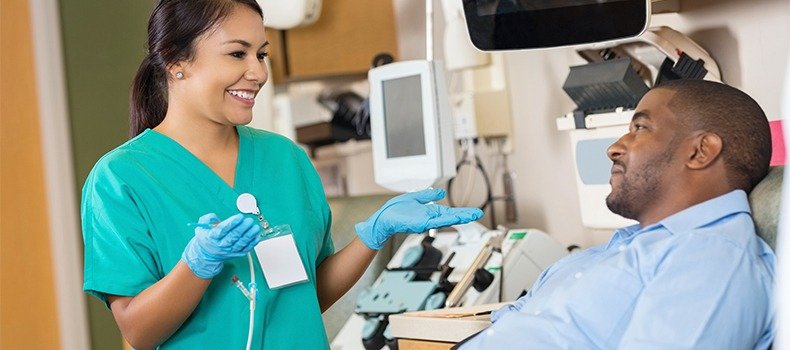
Mastering Phlebotomy: Essential Skills and Career insights for Aspiring Technicians
Phlebotomy is an indispensable aspect of modern healthcare, playing a crucial role in teh diagnosis and treatment of diseases.As an aspiring phlebotomist, mastering essential skills and understanding the nuances of this career can set you apart in a competitive job market. In this complete guide, we’ll delve into the skills required, career insights, and beneficial tips for those looking to embark on this vital profession.
What is Phlebotomy?
Phlebotomy involves drawing blood from patients for tests, transfusions, or donation. Phlebotomists are responsible for ensuring the procedure is done safely and efficiently, making them crucial members of the healthcare team.
Essential Skills for Phlebotomists
To excel as a phlebotomist,you’ll need a specific skill set. Here are the key skills every aspiring phlebotomist should focus on:
- Technical skills: Proficiency in venipuncture techniques and understanding of different blood draw methods (e.g., butterfly, straight needle).
- Attention to Detail: Ensuring accuracy in labeling samples and following safety protocols.
- Communication Skills: Clear interaction with patients regarding procedures, especially to alleviate anxiety.
- Empathy: Understanding and responding to patients’ needs can significantly enhance thier experience.
- Organization: Keeping track of lab work, samples, and patient records efficiently is paramount.
Training and Certification
Most phlebotomy positions require formal training, typically achieved through accredited programs that last from a few weeks to several months. Some key considerations include:
- Look for accredited programs offered by community colleges or vocational schools.
- Many programs include theoretical knowledge and also practical training.
- Certification can enhance job prospects; organizations like the National Phlebotomy Association offer certification options.
Career Insights and Opportunities
The demand for skilled phlebotomists is growing. According to the U.S. Bureau of Labor Statistics,the job outlook for phlebotomists is expected to increase by 22% from 2020 to 2030,much faster than the average for all occupations.
work Environments
Phlebotomists can work in diverse settings. Some common workplaces include:
- Hospitals
- Clinics
- Laboratories
- Blood donation centers
- Patient’s homes (home healthcare services)
Salary Expectations
Phlebotomists generally earn a competitive salary, with entry-level positions starting around $30,000 annually and experienced professionals earning upwards of $45,000 per year. the following table summarizes average salaries based on experience:
| Experience Level | Average Salary |
|---|---|
| Entry-Level | $30,000 – $35,000 |
| Mid-Career | $36,000 – $40,000 |
| Experienced | $41,000 – $45,000 |
| Advanced Practice | $46,000+ |
Benefits of a Career in phlebotomy
A career in phlebotomy offers numerous benefits, including:
- Strong Job Growth: With an increasing emphasis on preventive healthcare, the demand for skilled phlebotomists is on the rise.
- Flexible Hours: Many phlebotomy positions offer part-time or flexible hours, appealing to those balancing other commitments.
- Job Satisfaction: Helping patients during often stressful situations can be highly rewarding.
- Opportunities for Advancement: Experienced phlebotomists can advance into roles such as laboratory managers or specialized technicians.
Practical Tips for Aspiring Phlebotomists
Here are some valuable tips that can definitely help you excel in your phlebotomy career:
- Practice Makes Perfect: Take advantage of any opportunities for hands-on training, simulations, or volunteer experiences.
- Network: Engage with professionals in the field to learn about job openings and industry trends.
- Stay Updated: Keep abreast of advances in phlebotomy and clinical practices through continued education.
- Focus on Soft Skills: develop your interpersonal skills to enhance interactions with patients.
First-Hand Experience: A Day in the Life of a Phlebotomist
To provide a real perspective on this career path, let’s consider the experiences of Emily, a phlebotomist with three years in the field:
“My day starts early in the lab.I review the schedule and prepare for patient arrivals. Every day brings new challenges, whether it’s comforting a nervous patient or adjusting to new protocols. The best part is knowing that I play an essential role in diagnosing health issues. Plus, I’ve formed great relationships with my regular patients.”
Conclusion
Mastering phlebotomy requires a blend of technical skills, empathy, and continual learning.With its promising job outlook and the personal satisfaction it offers, pursuing a career as a phlebotomist can be incredibly rewarding. By focusing on the skills discussed here and gaining practical experience,aspiring technicians can confidently embark on their journey in this dynamic healthcare field.