Essential Phlebotomist Job Requirements: skills, Education, and Career Path Explained
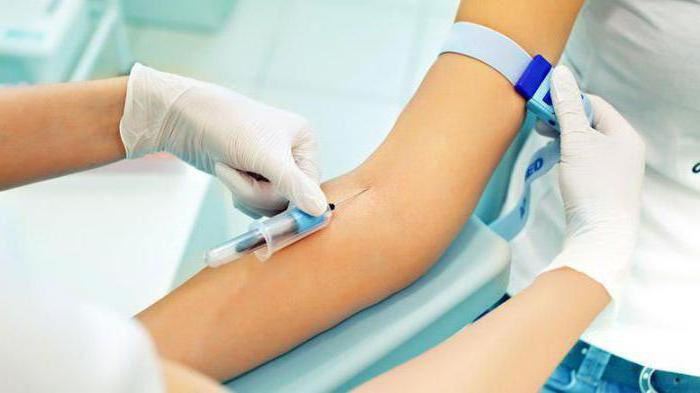
Phlebotomy is an essential medical field that plays a pivotal role in patient care and diagnostics. As a phlebotomist, you’ll primarily be responsible for drawing blood, which is crucial for various medical tests. If you’re considering a career in this rewarding field, it’s critically important to understand teh essential phlebotomist job requirements, including skills, education, and the possible career path. This extensive guide will walk you through everything you need to know!
Table of Contents
- Key Skills Required for Phlebotomists
- Educational Requirements
- Certifications and Licensure
- Career Path and Opportunities
- Benefits of Being a Phlebotomist
- Conclusion
Key Skills Required for Phlebotomists
A accomplished phlebotomist needs a combination of technical skills and soft skills. Here are some of the essential skills you should develop:
- technical Proficiency: Ability to perform various blood collection techniques.
- attention to Detail: Ensuring that procedures are followed accurately to avoid complications.
- Communication Skills: Effectively communicating wiht patients to explain procedures and alleviate concerns.
- Compassion and Empathy: Understanding the emotional state of patients can enhance the experience.
- Time Management: Prioritizing tasks, especially in fast-paced environments.
Soft Skills and Interpersonal Abilities
- Teamwork: Collaborating with healthcare professionals.
- Problem Solving: Addressing unexpected issues that may arise during blood collection.
Educational Requirements
The path to becoming a phlebotomist typically involves the following educational steps:
- High School Diploma or GED: The foundational requirement for pursuing phlebotomy training.
- Phlebotomy Program: Completion of an accredited phlebotomy program, usually offered at community colleges or vocational schools, which can take a few months to a year.
These programs can include both classroom education and supervised clinical practice where you’ll gain hands-on experience.
Certifications and Licensure
While not always mandatory, obtaining certification can substantially enhance your employability. Key certifications include:
| Certification Organization | Certification Name | Notes |
|---|---|---|
| American Society for clinical Pathology (ASCP) | phlebotomy Technician (PBT) | Widely recognized and respected. |
| National Healthcareer Association (NHA) | Certified Phlebotomy Technician (CPT) | Exam required; popular among employers. |
| National Phlebotomy association (NPA) | Registered Phlebotomy Technician (RPT) | Alternative certification option. |
Career Path and Opportunities
The career path for phlebotomists can vary widely based on experience and further specialization. Here are some potential routes:
- Entry-Level Phlebotomist: start by working in hospitals,clinics,or blood donation centers.
- Specialization: Pursue further training in areas such as blood bank technology, laboratory management, or even advanced healthcare roles.
- Leadership Positions: With experience, you can move into supervisory or managerial roles overseeing phlebotomy departments.
- Teaching and Training: Experienced phlebotomists may also teach upcoming professionals in educational programs.
Benefits of Being a Phlebotomist
Choosing a career in phlebotomy comes with several advantages,including:
- Job Stability: The healthcare field is always in demand; phlebotomists are essential for various medical procedures.
- Flexible Work Hours: Opportunities are available in hospitals,labs,and clinics,allowing for various shifts.
- competitive Pay: Salary packages are attractive, especially with experience and certifications.
- Satisfaction: Helping patients and playing a crucial role in their healthcare can be immensely fulfilling.
Practical Tips for Aspiring Phlebotomists
- Research accredited programs thoroughly to ensure quality instruction.
- Focus on developing both technical and soft skills during training.
- Consider shadowing experienced phlebotomists to gain insight into daily tasks and patient interactions.
- Stay updated on technological advancements in the field.
Conclusion
Phlebotomy is more then just drawing blood; it’s an integral part of the healthcare system that requires a unique set of skills, a solid educational foundation, and a commitment to patient care. By understanding the essential phlebotomist job requirements,you can embark on a rewarding career path filled with opportunities for growth and specialization. Whether you’re drawn to the technical aspects or the chance to help others, a career in phlebotomy promises not only job security but also personal satisfaction.