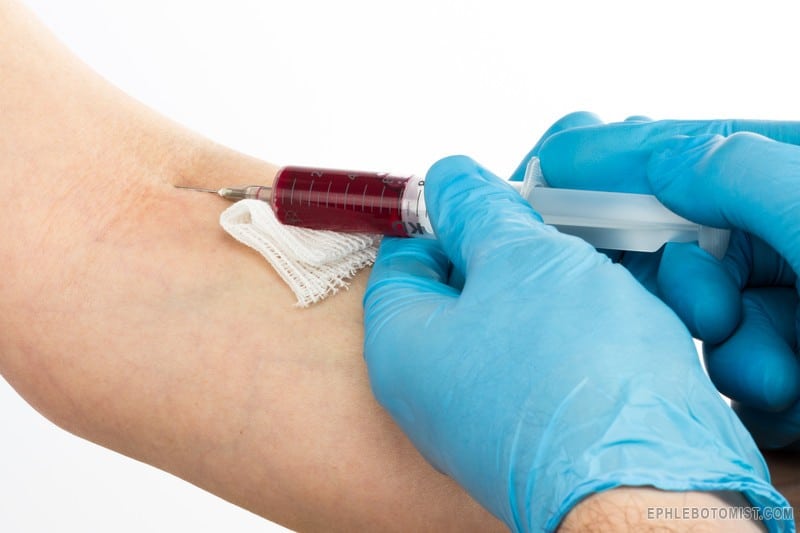
Unlock Your Future: How to Train and Succeed as a Phlebotomist
Phlebotomy, the practice of drawing blood for tests, transfusions, or research, is an essential skill in healthcare. With the growing demand for skilled professionals in this field, becoming a phlebotomist can unlock numerous opportunities for career advancement. In this thorough guide, we will explore how to train and succeed as a phlebotomist, including educational paths, essential skills, benefits, and practical tips.
What Does a Phlebotomist Do?
A phlebotomist is primarily responsible for drawing blood from patients. The role can vary depending on the workplace, but typically includes:
- Collecting blood samples for medical tests.
- Preparing blood samples for laboratory analysis.
- Maintaining equipment and ensuring safety protocols.
- Communicating with patients and helping reduce anxiety associated with blood draws.
Training and Education Requirements
Categorizing Phlebotomy Training Programs
training to become a phlebotomist typically entails completing a phlebotomy program and gaining practical experience. Programs can be classified into the following categories:
- Certificate Programs: Generally last between 4 to 8 months and focus on practical skills.
- Associate Degree Programs: These are more comprehensive, including coursework on anatomy, physiology, and medical ethics, lasting around 1-2 years.
Key Components of Phlebotomy Training
The curriculum usually includes:
- Basic anatomy and physiology
- Blood collection techniques
- Patient communication skills
- Infection control protocols
Certification and Licensing
Most states in the U.S. require phlebotomists to be certified to ensure thay possess the necessary skills and knowledge.Certification typically involves:
- Completing an accredited training program.
- Passing a national certification exam.
- Maintaining certification with continuing education.
Organizations such as the National Phlebotomy Association (NPA) or the American Society for Clinical Pathology (ASCP) are commonly recognized certifying bodies.
Essential Skills for Success as a Phlebotomist
To thrive in this career, aspiring phlebotomists should develop the following skills:
- Technical Skills: Proficiency in drawing blood and handling vitals is crucial.
- Attention to Detail: Ensuring accurate facts and proper identification of patients is vital.
- interpersonal Skills: Comforting anxious patients and communicating effectively.
- Problem-Solving Skills: Handling difficult draws or unforeseen issues during procedures.
Benefits of Becoming a Phlebotomist
Choosing phlebotomy as a career path offers many advantages, including:
- Job Stability: The demand for phlebotomists is expected to grow faster than average, providing job security.
- Swift Entry into the Workforce: Many programs can be completed in under a year.
- Diverse Work Environments: Phlebotomists can work in hospitals, clinics, laboratories, or even in patients’ homes.
- Building Relationships: Regular interactions with patients allow for meaningful connections.
Practical Tips for Aspiring Phlebotomists
Here are some practical tips to help you succeed in phlebotomy:
- Hands-On Practice: Focus on gaining as much hands-on experience as possible during your training.
- Network: connect with professionals in the field through internships or volunteer opportunities.
- Stay Updated: Keep current with new techniques and technologies in blood collection.
- Develop Empathy: Understand varying patient reactions and learn to handle each case with sensitivity.
Case Studies: Prosperous Phlebotomists Share Their Journeys
Hearing from those who have succeeded in this field can provide motivation and guidance. Here are a few brief case studies:
| Name | experience | insight |
|---|---|---|
| Sarah Lee | 5 Years in a Hospital | Emphasizes the importance of empathy in patient interactions. |
| John Smith | 3 Years in Mobile Phlebotomy | Highlights the adaptability and variety in patient interactions as rewarding. |
| Alice Johnson | 10 Years in a Lab | Encourages new phlebotomists to never stop learning. |
First-Hand Experience: A Day in the Life of a Phlebotomist
A typical day for a phlebotomist can vary but generally includes:
- Preparing the work area and equipment for blood draws.
- Welcoming patients and explaining the procedures.
- Conducting blood draws with care and precision.
- Documenting and labeling samples accurately.
- Participating in team meetings to discuss workflow and patient care improvements.
Conclusion
Becoming a phlebotomist opens doors to a fulfilling career in healthcare, marked by patient interaction and the opportunity to make a difference. with proper training, dedication, and a passion for helping others, you can successfully unlock your future as a skilled phlebotomist. Take the first step toward this rewarding journey by enrolling in a training program today!