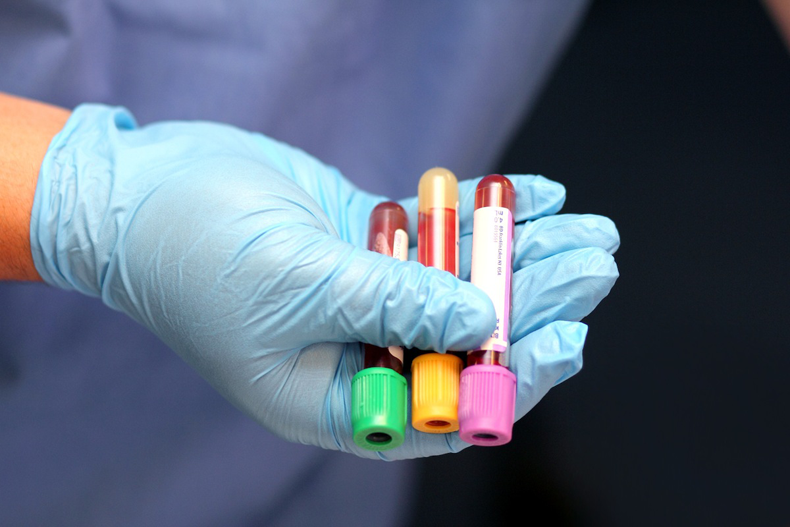
Step-by-Step Guide: How to Become a Licensed Phlebotomist and Jumpstart Your Medical Career
Are you interested in pursuing a fulfilling career in the healthcare field? Becoming a licensed phlebotomist can be an excellent entry point into the medical profession. In this comprehensive guide, we’ll walk you through the essential steps to become a licensed phlebotomist, explore the benefits of the role, and provide practical tips to help you succeed in your new career.
What is a Phlebotomist?
A phlebotomist is a healthcare professional trained to draw blood from patients for various medical purposes, including blood tests, transfusions, and donations. They play a crucial role in patient care and are frequently enough the first point of contact between patients and the healthcare system.
Why Become a Phlebotomist?
- High Demand: The healthcare industry is continuously growing, creating a need for trained phlebotomists.
- Short Training Period: Most phlebotomy programs can be completed in just a few months.
- flexible Work Opportunities: Phlebotomists can find work in various settings, including hospitals, clinics, and laboratories.
- Foundation for Further Education: Experience as a phlebotomist can serve as a stepping stone to other medical careers.
Step-by-Step Process to become a Licensed Phlebotomist
Step 1: Research and choose the Right phlebotomy Program
The first step in becoming a licensed phlebotomist is to select an accredited phlebotomy program. Look for programs that offer:
- Hands-on training
- Qualified instructors
- Job placement assistance
Step 2: complete a Phlebotomy Training Program
enroll in a phlebotomy training program that includes both classroom instruction and practical experience. The training typically covers:
- Anatomy and physiology
- Blood collection techniques
- Safety and infection control practices
Step 3: Gain clinical Experience
Most programs require students to complete a certain number of blood draws. This hands-on experience is critical to developing your skills and confidence.
Step 4: Obtain Phlebotomy Certification
Certification is not always mandatory, but having it can significantly enhance your job prospects. Some well-known certification agencies include:
| Certification Organization | Requirements | Cost |
|---|---|---|
| american society for Clinical Pathology (ASCP) | Completion of a training program + practical experience | $135 |
| National Phlebotomy association (NPA) | Training + 100 hours of hands-on experience | $95 |
| American Certification Agency (ACA) | completion of an accredited program | $85 |
Step 5: Apply for Phlebotomy Jobs
After obtaining your certification, itS time to enter the workforce. Utilize online job boards, attend job fairs, and network within the healthcare community.
Step 6: Maintain Your Certification
Some certifying organizations require continuing education credits or re-certification every few years. Stay informed about renewal requirements to maintain your status as a certified phlebotomist.
Benefits of a Phlebotomy Career
Choosing a career as a phlebotomist comes with numerous advantages:
- Speedy entry into the healthcare field
- Opportunities for advancement (e.g., moving into nursing or laboratory science)
- Ability to make a direct impact on patient care
Practical Tips for Success as a Phlebotomist
- Build Strong Communication Skills: Engage with patients respectfully and empathetically.
- Practise Attention to Detail: Ensure accuracy in patient identification and blood collection.
- Stay Updated on Best Practices: Regularly review guidelines and advancements in phlebotomy.
Real-life Case Study: From Novice to Expert Phlebotomist
Take Sarah, such as. after completing her phlebotomy certification in just six months, she quickly found a job at a local hospital. With her hands-on training, she was able to build rapport with patients and enhance her skills.Over time, she pursued additional certifications and advanced to a laboratory technician position, showcasing how a career in phlebotomy can lead to further growth and opportunities.
Conclusion
Becoming a licensed phlebotomist is a strategic move to jumpstart your medical career. By following this step-by-step guide, you can equip yourself with the necessary education and skills. Whether you choose to remain a phlebotomist or leverage your experience as a springboard into other healthcare professions, this rewarding career can set you on a path to success. Start your journey today and open the door to numerous opportunities in the ever-evolving healthcare landscape!