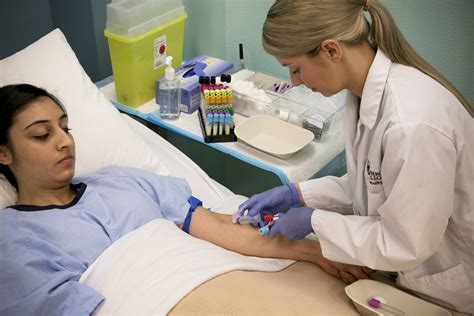
Exploring the Workplaces of Phlebotomists: Where do They Make a Difference?
Phlebotomists play a crucial role in the healthcare system by drawing blood for tests, transfusions, research, or donations. Their expertise ensures that accurate samples are collected, making them integral to patient care and medical diagnostics. In this article, we’ll explore the various workplaces of phlebotomists, the impact they have in each setting, and why their work is essential to the healthcare ecosystem.
The Diverse Workplaces of Phlebotomists
Phlebotomists can be found in several healthcare environments. Each workplace offers unique experiences and opportunities for these professionals. Here’s a closer look at where phlebotomists make a difference:
- Hospitals
- Clinics
- Laboratories
- Blood Donation Centers
- Home Health Care Settings
- Research Facilities
1. Hospitals
Hospitals are one of the primary work environments for phlebotomists. They play a critical role in emergency and inpatient care.
Responsibilities in Hospitals
- Collect blood samples from patients for diagnostic tests.
- Coordinate with doctors to ensure timely sample collection.
- Manage patient records and confidentiality.
2. Clinics
Clinics provide routine care and ongoing health services, making them a significant workplace for phlebotomists.
Benefits of Working in Clinics
- Consistent patient interaction, promoting strong relationships.
- Variety of procedures, including wellness checks and vaccinations.
- More scheduled hours, allowing for work-life balance.
3. Laboratories
Phlebotomists in laboratories focus primarily on the analytical side of blood work.
Key Roles in Laboratories
- Prepare and submit samples for testing.
- Work closely with lab technicians on results interpretation.
- Ensure proper handling and transportation of samples.
4. Blood Donation Centers
Phlebotomists in blood donation centers play a vital role in public health by collecting blood donations.
The Impact of Blood Donation Centers
- Facilitating community outreach for blood drives.
- Educating donors about the donation process.
- Helping maintain adequate supplies for hospitals in need.
5. Home Health Care Settings
With the rise of home healthcare,phlebotomists are increasingly visiting patients in their homes.
Advantages of Home Health Care
- Enhancing patient comfort and convenience.
- Establishing personalized relationships with patients.
- Providing care to those who may find it arduous to travel.
6. Research Facilities
Some phlebotomists work in research settings, contributing to scientific studies and trials.
Roles in Research Facilities
- Collecting samples related to clinical trials.
- Participating in innovative medical research.
- Collaborating with scientists and medical professionals.
Benefits of a Phlebotomist’s Role
Phlebotomists are not just professionals who draw blood; they are vital components of the healthcare system. Here are some key benefits of their work:
- Patient Care: They ensure that patients receive timely and accurate medical insights through blood analyses.
- Diagnostic Accuracy: Their skill in venipuncture contributes to the quality of testing, minimizing errors.
- Public Health: Through blood donation, they help maintain the blood supply for emergencies and surgeries.
- Cancer Research: In research environments, their work aids in finding cures and advancements in medicine.
Case Studies: Real-World Impact
To illustrate the importance of phlebotomists in different settings, let’s examine a few case studies:
| Setting | Case Study | Impact |
|---|---|---|
| Hospital | Emergency Room | Quick sample collection led to rapid diagnosis of a critical condition. |
| Blood Donation Center | Community Drive | Collected over 200 units of blood to support local hospitals. |
| Research Laboratory | Cancer Treatment Trials | Participants’ blood work facilitated a breakthrough in treatment protocols. |
First-Hand Experience: A Day in the Life of a Phlebotomist
Phlebotomists often describe their job as rewarding yet challenging. Here’s how a typical day might unfold:
- Starting the day by reviewing patient schedules and necessary preparations for the blood draws.
- Conducting blood draws while ensuring patient comfort and safety.
- Maintaining accurate records and ensuring quality control of samples.
- Collaboration with healthcare teams for optimal patient outcomes.
Practical Tips for Aspiring Phlebotomists
If you’re interested in pursuing a career as a phlebotomist, here are some practical tips:
- Obtain the necessary certifications and training from accredited programs.
- Gain hands-on experience through internships or volunteer opportunities.
- Focus on developing strong dialog skills to interact effectively with patients.
- Stay updated on the latest healthcare practices and technologies.
Conclusion
Phlebotomists are essential contributors to the healthcare system, making significant differences in hospitals, clinics, laboratories, and more. The importance of their work cannot be overstated, as it directly influences diagnostic accuracy, patient care, and public health initiatives. Whether you are a healthcare professional or considering a career in this field, understanding the diverse environments where phlebotomists thrive will help you appreciate their impact on patient lives and healthcare advancements.