Essential Guide to Phlebotomy Training: Unlock Your Career as a Skilled Phlebotomist
Are you considering a career in healthcare but unsure where to start? Phlebotomy could be an excellent choice for you. As a vital part of modern medicine, skilled phlebotomists are in high demand across hospitals, clinics, and laboratories. This essential guide will explore everything you need to know about phlebotomy training and how it can unlock a rewarding career for you.
What is Phlebotomy?
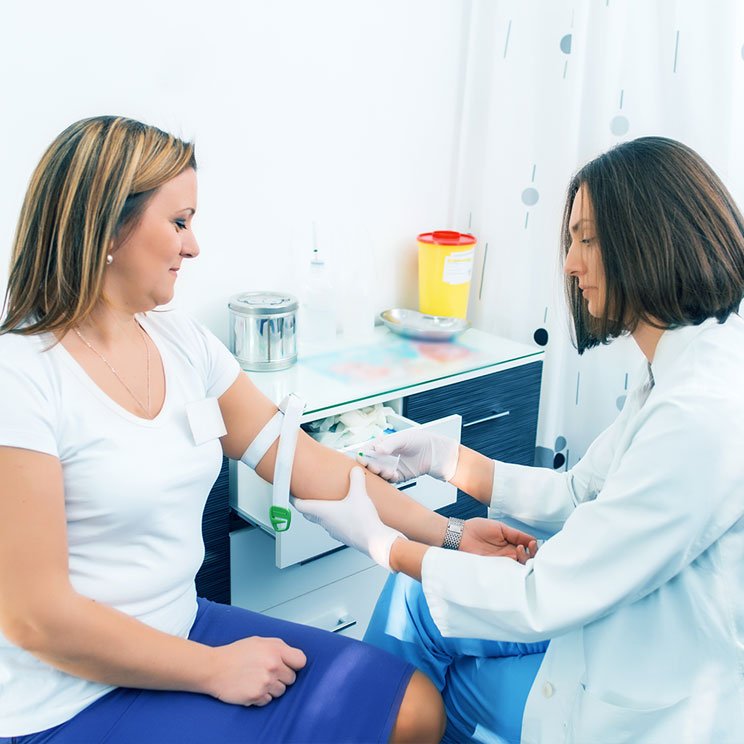
Phlebotomy is the practice of drawing blood from patients for various medical purposes, including testing, donation, or transfusion. Phlebotomists play a crucial role in patient care, helping to diagnose illnesses and manage blood-related treatments.
Why Choose a Career in Phlebotomy?
- High Demand: With the growing need for healthcare services, skilled phlebotomists are highly sought after.
- Short Training Period: Most phlebotomy training programs can be completed in a few months.
- Flexible Work Options: Phlebotomists can work in various settings, including hospitals, clinics, and laboratories.
- Interpersonal Interaction: Enjoy working closely with patients and healthcare professionals.
Phlebotomy Training requirements
Before enrolling in a phlebotomy training program, it’s essential to understand the basic requirements:
- Age: Generally, you must be at least 18 years old.
- Education: A high school diploma or GED is typically required.
- Background Check: Many programs have background check requirements due to the nature of healthcare work.
- CPR Certification: Some training programs may require you to have CPR certification.
Finding the right Phlebotomy Training Program
when looking for phlebotomy training, consider the following factors:
- Accreditation: Ensure the program is accredited by a recognized association.
- Curriculum: Look for a program that covers essential topics such as anatomy,blood collection techniques,and safety protocols.
- Hands-On Practice: Choose a program that offers practical training opportunities.
- Cost: Consider the total cost of the program, including tuition, books, and materials.
Typical Phlebotomy Training Curriculum
A comprehensive phlebotomy training program typically includes the following topics:
| Module | Topics Covered |
|---|---|
| Introduction to Phlebotomy | Role and responsibilities of a phlebotomist |
| Anatomy and Physiology | Understanding circulatory system and blood components |
| Blood Collection Techniques | Venipuncture, capillary draws, and specimen handling |
| Safety and Compliance | Infection control measures and OSHA regulations |
| Patient Interaction | Communication skills and managing patient concerns |
Gaining Certification as a phlebotomist
After completing your training, obtaining a certification can enhance your job prospects. The certification process typically involves:
- Exam: Passing a certification exam from a recognized body, such as the American Society for Clinical Pathology (ASCP) or the National Phlebotomy Association (NPA).
- Continuing Education: Participating in ongoing education to maintain your certification.
Practical Tips for Aspiring Phlebotomists
Here are some tips to help you succeed in your phlebotomy career:
- Practice Regularly: Practice your techniques to increase your comfort level.
- Stay updated: Keep abreast of the latest developments in phlebotomy and healthcare regulations.
- Build Rapport: Create trust and rapport with patients to ease their anxiety during blood draws.
- Network: Connect with healthcare professionals and other phlebotomists for mentorship and job opportunities.
Real-Life Experience: Case Study of a Successful Phlebotomist
meet Jane Doe, a certified phlebotomist with five years of experience. After completing her training, Jane immediately found work at a local clinic. Here’s her journey:
- First Week: Jane focused on familiarizing herself with the clinic’s protocols and procedures.
- Client Interaction: She learned quickly how to comfort nervous patients and gained confidence in her skills.
- Growth: Over time, Jane progressed into a lead phlebotomist role and now mentors new trainees.
Conclusion
Phlebotomy training can be a gateway into a rewarding career in healthcare.With a relatively short training period and high demand for skilled professionals, becoming a phlebotomist offers a fulfilling path. Whether you are just starting your career or looking for a change, unlocking your potential in phlebotomy can lead you to numerous job opportunities and professional growth. Take the first step today, and embark on your journey to becoming a skilled phlebotomist!