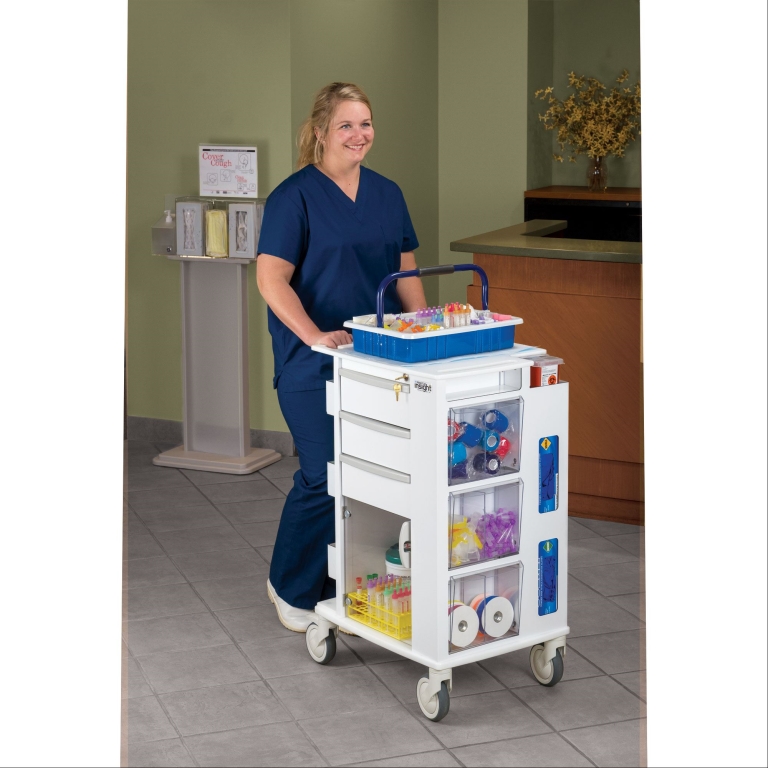
Essential Phlebotomy Tools: Your Complete Guide to Safe and Efficient Blood Collection
Phlebotomy is a critical procedure in the medical field, requiring precise techniques and the right tools. Whether you are a seasoned professional or a newcomer in the field, understanding the essential phlebotomy tools is key to ensuring safe and efficient blood collection. In this extensive guide, we will explore the tools of the trade, their purposes, and practical tips on their usage.
Key Phlebotomy Tools
Ther are several indispensable tools and equipment utilized in phlebotomy. Having the right phlebotomy tools not only ensures the safety of the patient but also streamlines the procedure for the phlebotomist. Below is a list of essential tools:
1.venipuncture Needles
Venipuncture needles are the primary tools used for blood collection. They come in various gauges, typically ranging from 18 to 23 gauge, with larger needles (lower gauge numbers) being used for blood donation and smaller needles (higher gauge numbers) for pediatric patients.
2. Blood Collection Tubes
Blood collection tubes have colour-coded tops that indicate the type of additive inside, which helps in the testing process. Familiarity with these tubes is essential:
| Tube Color | Additive | Common Uses |
|---|---|---|
| Red | None | Serology, blood bank |
| Blue | Citrate | Coagulation studies |
| Green | Heparin | Plasma tests |
| Lavender | EDTA | Hematology tests |
3.Tourniquet
A tourniquet is an elastic band that helps engorge the veins, making them easier to puncture. It is crucial to apply the tourniquet correctly to avoid complications.
4.Alcohol Swabs
Alcohol swabs are used to cleanse the venipuncture site before insertion. this reduces the risk of infection and ensures a sterile collection process.
5. Gauze and Adhesive Bandages
Post-collection, gauze pads are needed to stop the bleeding, followed by an adhesive bandage to protect the site.Proper aftercare is vital for patient recovery.
Benefits of Using the Right Phlebotomy Tools
Choosing the appropriate phlebotomy tools offers numerous benefits:
- Increased Safety: Reduces the risk of infection and complications.
- Improved Efficiency: Streamlines the blood collection process,allowing for a smoother workflow.
- Enhanced Patient Experience: Minimizes discomfort and anxiety for patients during the procedure.
Practical Tips for Using Phlebotomy Tools Effectively
Here are several tips to enhance your phlebotomy practice:
- Always select the appropriate gauge of needle for your patient’s needs.
- Ensure that blood collection tubes are filled to the appropriate level to maintain sample integrity.
- Never reuse needles or other disposable tools to prevent cross-contamination.
- Practice good hand hygiene before and after each procedure.
- Use proper disposal methods for sharps and biohazard materials.
Case Studies: Effective Use of Phlebotomy Tools
In various healthcare settings, the right phlebotomy tools have made all the difference. As a notable example, a case study from a local hospital demonstrated decreased patient anxiety and quicker blood collection times after training staff on proper tool selection and technique. This led to higher patient satisfaction scores and improved overall efficiency in the lab.
First-Hand Experience: A Phlebotomist’s Perspective
As a seasoned phlebotomist, I can attest to the importance of having the right tools at your fingertips. During my early days, I often struggled with inadequate equipment, which led to numerous complications. However,once I invested in high-quality needles and familiarized myself with various collection tubes,my workflow became substantially smoother. Emphasizing patient comfort during blood draws is crucial, and utilizing proper tools certainly contributes to that goal.
Conclusion
Understanding and utilizing essential phlebotomy tools is vital for the success of any blood collection procedure. From selecting the right size needle to using appropriate blood collection tubes and maintaining safety protocols, each tool plays a significant role. By prioritizing the use of high-quality equipment and best practices, phlebotomists can ensure a safe, efficient, and positive experience for patients. Equip yourself with the knowledge and tools laid out in this guide, and you will elevate your phlebotomy skills to the next level.