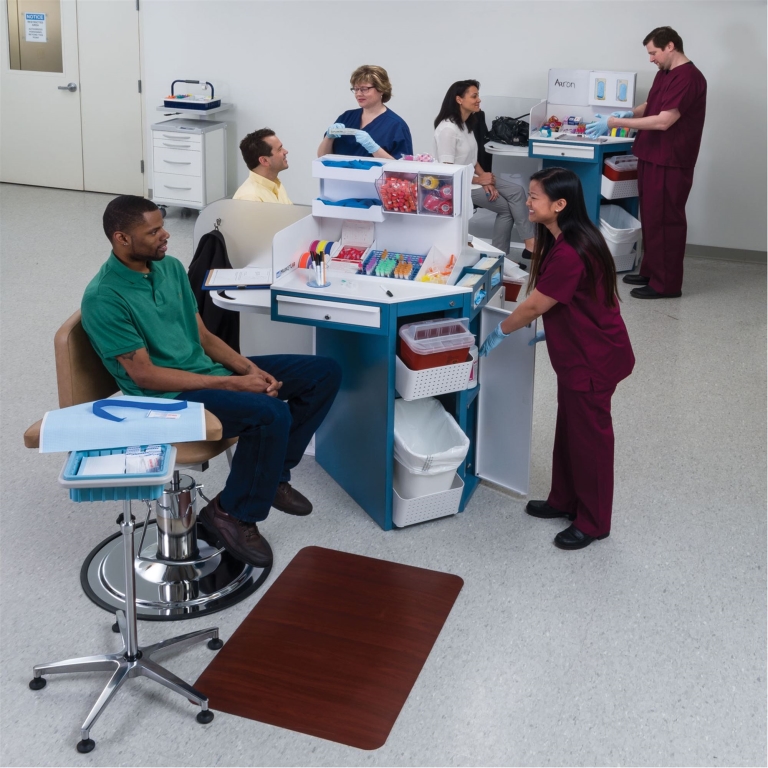
Mastering the Art of Phlebotomy: Essential Guide to Blood Draw Techniques and Best Practices
Phlebotomy is more than just a medical skill—it’s an art. Perfecting the techniques associated with blood draws ensures patient safety, comfort, and accurate diagnostic results. In this essential guide, we’ll delve into effective blood draw techniques, best practices, benefits, practical tips, and real-life experiences to help you master the art of phlebotomy.
What is Phlebotomy?
Phlebotomy refers to the practice of drawing blood from a patient’s body for medical testing, transfusions, or donations.Phlebotomists play a crucial role in the healthcare system by providing vital data through blood work.
Benefits of Mastering Phlebotomy
- Precision: A well-performed blood draw minimizes the risk of complications.
- Patient Confidence: Skilled phlebotomists enhance patient trust and anxiety reduction.
- Efficient Diagnostic Process: Accurate blood samples speed up diagnoses and treatments.
- Career Opportunities: Mastering phlebotomy opens various career paths in healthcare.
Essential Blood Draw Techniques
1. Preparation
Before any blood draw, preparation is key. Here are some steps:
- Gather all necesary supplies: gloves, tourniquet, alcohol swabs, and collection tubes.
- Identify the patient and explain the procedure to ease anxiety.
- Ensure the patient is comfortable, ideally sitting or lying down.
- Wash hands and wear gloves to maintain hygiene.
2. selecting the Site
The most common site for blood draws is the antecubital fossa (the crease of the elbow). Follow thes tips:
- palpate for a visible and palpable vein, usually the median cubital vein is preferred.
- Avoid veins that appear scarred or sclerosed.
- If necessary, apply a warm compress to the area to aid vasodilation.
3. Performing the blood Draw
Follow these steps to ensure a prosperous blood draw:
- Place a tourniquet above the selected site but do not apply it too tightly.
- Clean the area with an alcohol swab using a circular motion to reduce infection risk.
- Insert the needle with the bevel facing up at a 15-30 degree angle.
- Watch for a flashback of blood in the needle hub to confirm entry into the vein.
- Once blood flow is established, collect the sample in the appropriate tubes based on the tests required.
4.Post-Draw Care
After drawing blood, proper care is essential:
- Withdraw the needle swiftly while applying pressure with a clean gauze pad.
- Instruct the patient to apply pressure to the site for a few minutes to prevent bleeding.
- label and store blood samples correctly for transport to the lab.
Common Challenges in Phlebotomy
| Challenge | Solution |
|---|---|
| Difficult Veins | Use alternative sites and adjust angle for insertion. |
| Patient Anxiety | Use calming techniques and ensure clear dialog. |
| Complications | Be prepared and know how to handle fainting or hematomas. |
Practical Tips for Aspiring Phlebotomists
- Practice regularly to improve your skills and confidence.
- Stay updated with the latest techniques and technologies.
- Communicate effectively with patients to alleviate their fears.
- Develop a systematic approach to organizing your supplies before a draw.
First-hand Experience: A Day in the Life of a Phlebotomist
As a phlebotomist, each day brings unique challenges and experiences. One particular day,I had a patient who was visibly anxious about their blood draw. By taking extra time to explain the process and starting with an open conversation, I was able to help reduce their anxiety. A gentle touch and a reassuring smile can transform a stressful experience into a calm one, highlighting the importance of empathy in our field.
Conclusion
Mastering the art of phlebotomy involves understanding proper techniques, practicing with patience, and developing strong communication skills to create a positive experience for patients. By implementing the best practices outlined in this guide,you can enhance your phlebotomy skills. Whether you’re a seasoned professional or just starting your career, continual learning is vital.Embrace the journey of mastering phlebotomy—each draw is a step towards excellence!