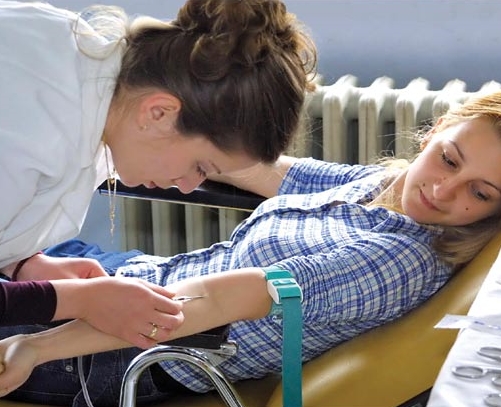
Unlocking the Role of a Phlebotomy Technician: Essential Skills, Responsibilities, and Career Insights
The healthcare field is vast and varied, offering numerous career paths that cater to different skill sets and interests. One crucial position in this domain is that of a Phlebotomy Technician. In this article, we will explore the essential skills, responsibilities, and career insights that define the role of a phlebotomy technician.
What is a Phlebotomy Technician?
A phlebotomy technician specializes in the drawing of blood for testing, transfusions, donations, or research. They play a pivotal role in the healthcare system, often acting as the first point of contact for patients undergoing blood collection procedures.
Essential Responsibilities of a Phlebotomy Technician
As a phlebotomy technician, your daily responsibilities can encompass various tasks, including but not limited to:
- Collecting blood samples through venipuncture or capillary puncture
- Labeling specimens accurately and ensuring proper handling
- Maintaining sterile conditions and adhering to safety protocols
- Communicating with patients to alleviate concerns about the procedure
- Documenting and updating patient records
- Preparing samples for laboratory analysis
- Participating in inventory management and equipment maintenance
Essential Skills for Phlebotomy Technicians
To excel in the role of a phlebotomy technician, one must possess a blend of technical skills and interpersonal abilities. Here are some essential skills required:
- Technical Proficiency: Mastery in various blood collection techniques.
- Attention to Detail: Precision in labeling and handling samples is critical.
- Communication Skills: Ability to explain procedures and comfort patients.
- Problem-Solving Skills: Quickly resolving issues during blood collection.
- Empathy and Compassion: Understanding patient anxieties and addressing them.
Educational and Certification Requirements
While educational requirements can vary, most employers seek candidates with a high school diploma or equivalent. Pursuing a phlebotomy training program is highly recommended. Following the completion of your training, obtaining certification, such as through the American Society for Clinical Pathology (ASCP) or the National Healthcareer Association (NHA), can enhance your employability.
Phlebotomy Training Programs
Consider enrolling in accredited programs, which typically include classroom instruction and hands-on practice. These programs cover:
- Anatomy and physiology
- Venipuncture techniques
- Infection control procedures
- Patient interaction and communication
Career Insights: Job Opportunities and Growth
The demand for phlebotomy technicians is on the rise due to the continuous need for medical testing. According to the U.S. Bureau of Labor Statistics, employment for phlebotomists is projected to grow by 22% from 2020 to 2030, which is much faster than the average for all occupations.
Job Opportunities
Phlebotomy technicians can find employment in various settings, including:
- Hospitals
- Clinics and laboratories
- Blood donation centers
- Home healthcare services
- Research facilities
Salary Expectations
As of 2022, the average salary for phlebotomists in the United States is around $37,000 per year. However, this can vary based on experience and location.
Benefits of a Career in Phlebotomy
- Job Security: Growing demand for healthcare professionals.
- Short Training Period: Quick entry into the workforce with training.
- Ability to Help Others: Contributing significantly to patient care.
- Flexible Schedules: Opportunities for different shifts, including part-time.
Practical Tips for Aspiring Phlebotomy Technicians
- Gain Experience: Volunteer or shadow experienced technicians to get hands-on knowledge.
- Stay Updated: Follow current trends and advancements in phlebotomy.
- Network: Join professional organizations such as the National Phlebotomy Association (NPA).
Case Studies: Real-Life Experiences in Phlebotomy
| Technician Name | Experience | Key Learning |
|---|---|---|
| John Doe | 5 Years in a Hospital Setting | Importance of patient interaction and empathy. |
| Jane Smith | 3 Years at a Blood Donation Center | Handling difficult veins and calming anxious donors. |
Conclusion
Becoming a phlebotomy technician allows you to play an integral role in the healthcare system while enjoying a rewarding career. By developing essential skills, understanding the responsibilities, and pursuing the right educational pathways, you can set yourself on a successful path in this growing field. Whether you’re just starting or are contemplating a career change, phlebotomy offers a unique blend of patient interaction and clinical skills that can lead to a fulfilling career.