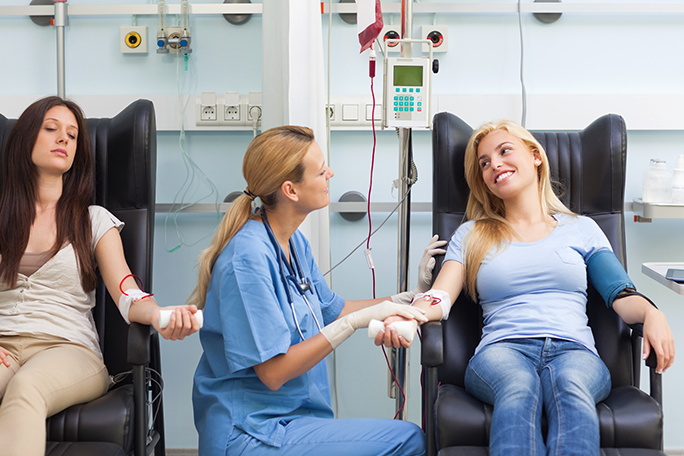
Mastering the Art of Phlebotomy: Essential Skills Every Phlebotomist Must Have
Phlebotomy, the practice of drawing blood for diagnostic testing, research, transfusions, and donations, is a crucial role in the healthcare industry. As a phlebotomist, having a strong set of skills is vital to ensure the safety and comfort of patients while effectively performing blood draws. In this article, we will explore essential skills that every phlebotomist must have to master the art of phlebotomy.
What is Phlebotomy?
Phlebotomy involves more than just the act of drawing blood. It requires specialized knowledge, technical skills, and an understanding of human anatomy. Phlebotomists are the frontline professionals who interact with patients, making their role vital in providing high-quality healthcare.
Essential Skills Every Phlebotomist Must Have
1. Technical Proficiency
One of the primary skills a phlebotomist needs is technical proficiency in blood collection methods. This includes:
- Venipuncture: The most common method, where blood is drawn from a vein.
- Capillary puncture: A technique often used for infants or when veins are difficult to access.
- Proper use of equipment: Knowledge of needles, vacutainers, and other blood collection devices.
2. Attention to Detail
In phlebotomy, a small mistake can lead to significant consequences. Phlebotomists must possess strong attention to detail to:
- Ensure accurate labeling of specimens.
- Follow specific protocols for cleaning and sterilization.
- Measure blood samples correctly.
3. Understanding Human Anatomy
Having a solid understanding of human anatomy helps phlebotomists successfully locate veins with ease and accuracy. Key areas of knowledge include:
- The location of major veins and arteries.
- Anatomical variations, especially in pediatric and geriatric patients.
4. Patient Interaction Skills
Effective communication and empathy are critical in phlebotomy. Phlebotomists must:
- Build rapport with patients to ease their anxiety.
- Clearly explain the process and any aftercare required.
- Exhibit professionalism and respect at all times.
5. Organizational Skills
Phlebotomists often juggle multiple tasks and responsibilities. Strong organizational skills are necessary to:
- Keep track of samples and patient information.
- Maintain clean and efficient workspaces.
- Manage scheduling to ensure timely and efficient service.
Benefits of Mastering Phlebotomy Skills
Mastering the art of phlebotomy comes with numerous benefits:
- Career Opportunities: Proficient phlebotomists can find positions in hospitals, clinics, labs, and research facilities.
- Job Security: The demand for skilled phlebotomists continues to grow as the healthcare industry expands.
- Patient Care: Providing quality care and comfort to patients enhances their hospital experience.
- Personal Satisfaction: Many find fulfillment in helping others and contributing to medical advancements.
Practical Tips for Aspiring Phlebotomists
If you’re considering a career in phlebotomy, here are some practical tips to help you succeed:
- Get Certified: Completing a certification program enhances your employability.
- Practice, Practice, Practice: Gain hands-on experience through internships or clinical hours.
- Continuing Education: Keep up with the latest phlebotomy practices and advancements.
- Network: Connecting with other healthcare professionals can lead to job opportunities.
Real-World Case Study
Take the example of Jane, a certified phlebotomist at a busy urban hospital. Jane’s combination of technical skills and empathy ensures she excels at her job. One day, she encountered a young patient who was visibly scared about his blood draw. Instead of rushing through the process, Jane took the time to explain each step to him, making the child feel at ease. As a result, the procedure went smoothly, and the patient left with a smile, highlighting the importance of patient interaction skills in phlebotomy.
First-Hand Experience
As a phlebotomist, no two days are the same. You might find yourself working with infants requiring capillary punctures or older adults with fragile veins. Each experience enriches your skill set and builds your confidence in the field. Constant interaction with different patient demographics hones your patience and improves your communication skills.
Conclusion
Mastering the art of phlebotomy is not just about knowing how to draw blood; it’s about blending technical proficiency with strong people skills. Whether you are a seasoned professional or a newcomer to the field, continually developing these essential skills will significantly enhance your career as a phlebotomist. By prioritizing patient comfort, maintaining attention to detail, and committing to lifelong learning, you can excel in this rewarding healthcare profession.