Essential Education Requirements for Aspiring Phlebotomists: Your Path to a Rewarding Career
Are you interested in starting a career in healthcare? If so, becoming a phlebotomist might be the perfect path for you. Phlebotomists play a critical role in patient care by collecting blood samples for tests, transfusions, research, and donations. In this article, we will explore the essential education requirements for aspiring phlebotomists and what it takes to build a successful career in this rewarding field.
What is Phlebotomy?
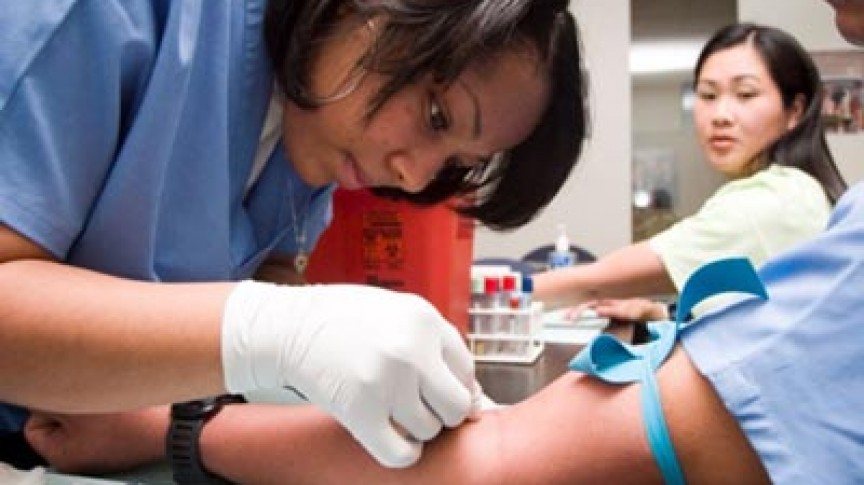
Before delving into the educational requirements, let’s clarify what phlebotomy entails. Phlebotomy is the practice of drawing blood from patients for medical purposes. It’s a specialized skill that requires training, focus, and an extensive understanding of anatomy and patient care.
Educational Pathways for Aspiring Phlebotomists
To become a certified phlebotomist, you typically need a high school diploma or an equivalent. Following that, several educational pathways can lead you to certification and employment.
1. Phlebotomy Training Programs
These programs are often offered by community colleges, vocational schools, and dedicated training centers. Here’s what to expect:
- Duration: Most programs range from a few weeks to a few months.
- Curriculum: Courses include anatomy, physiology, blood collection techniques, safety procedures, and communication skills.
- Clinical Experience: Hands-on training is essential, often comprising internships or externships.
2. Certification Requirements
While certification is not always mandatory, many employers prefer certified phlebotomists. Several organizations offer certification exams:
| Certification Organization | Exam Requirements |
|---|---|
| American Society for Clinical Pathology (ASCP) | 120 successful blood draws; completion of an accredited program |
| National Phlebotomy Association (NPA) | Completion of a training program; passing the NPA exam |
| American Certification Agency (ACA) | No specific training program required; direct experience accepted |
3. State Requirements
Some states have additional licensing requirements for phlebotomists. It’s crucial to check local regulations to ensure compliance. Many states require:
- Specific education credentials
- Certification from recognized agencies
- Completion of continuing education for license renewal
Key Skills and Attributes of a Successful Phlebotomist
Beyond formal education, successful phlebotomists possess certain skills and attributes. Here are some essential ones:
- Attention to Detail: Accuracy in blood collection and labeling is crucial.
- Strong Communication Skills: Engaging effectively with patients is key for comfort and cooperation.
- Manual Dexterity: Comfort with needles and precise movements are essential in the role.
- Empathy: Understanding patient anxiety and providing a comforting presence is important.
Benefits of Becoming a Phlebotomist
A career in phlebotomy offers numerous benefits, including:
- Job Stability: With ongoing demand in the healthcare industry, phlebotomy provides reliable employment opportunities.
- Short Training Time: Compared to many healthcare careers, phlebotomy training can be completed relatively quickly.
- Career Advancement: Experienced phlebotomists may advance to supervisory roles or specialized areas.
- Interaction with Patients: Enjoy meaningful connections and the satisfaction of helping others.
Practical Tips for Aspiring Phlebotomists
Here are some valuable tips for those looking to embark on a phlebotomy career:
- Research Programs: Look for accredited programs with strong reviews and job placement rates.
- Gain Experience: Consider volunteering or shadowing professionals in the field.
- Network: Join professional organizations and connect with other phlebotomists.
- Stay Updated: Keep abreast of changes in regulations and continue your education.
First-Hand Experience: A Career Story
Jane, a certified phlebotomist with five years of experience, shares her journey:
“I started my phlebotomy career right after high school. I enrolled in a community college program and got certified in just six months. The hands-on training was invaluable. I love interacting with patients and helping them feel at ease during blood draws. The flexibility of hours and the opportunity to work in hospitals, clinics, and even blood donation centers make this career incredibly fulfilling.”
Conclusion
Becoming a phlebotomist is a viable and rewarding career choice for those interested in healthcare. By meeting the essential education requirements and developing the necessary skills, you can pave your way to success in this field. Explore your options, gain hands-on experience, and start your journey toward a fulfilling career as a phlebotomist today!