Unlock Your Career: The Ultimate Guide to Phlebotomy Certification
Introduction
Are you seeking a fulfilling career in the healthcare industry? Phlebotomy might be the perfect option for you! With a combination of patient interaction, hands-on experiences, and vital responsibilities, becoming a certified phlebotomist can open new doors and provide opportunities for personal and professional growth. This comprehensive guide will help you navigate the essential steps of phlebotomy certification, explore its benefits, and share practical tips to enhance your career prospects.
What is Phlebotomy?
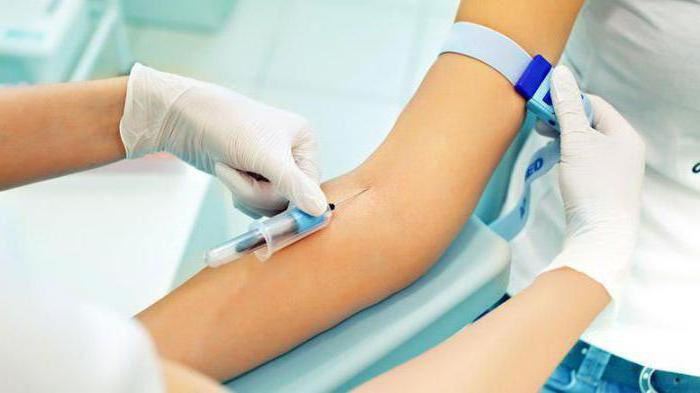
Phlebotomy is the practice of drawing blood for medical testing, transfusions, research, or donations. Phlebotomists work in various settings, including hospitals, clinics, blood donation centers, and laboratories. Their primary responsibilities include:
- Collecting blood specimens
- Preparing samples for laboratory testing
- Maintaining a safe and sterile environment
- Interacting with patients and providing pre/post-procedure care
Why Get Certified in Phlebotomy?
Obtaining phlebotomy certification offers numerous advantages:
- Enhanced Job Prospects: Certified phlebotomists are often preferred by employers, increasing your chances of landing the job.
- Higher Earning Potential: Certification can lead to higher salaries and benefits.
- Professional Recognition: Certification demonstrates your commitment to the field and enhances your credibility.
- Opportunities for Advancement: A certification may pave the way for advanced positions within the healthcare field.
The Phlebotomy Certification Process
Here’s a step-by-step guide on how to achieve phlebotomy certification:
1. Education Requirements
While a high school diploma or equivalent is the minimum requirement, completing a phlebotomy training program is highly recommended. These programs can last from a few weeks to several months and cover essential subjects such as:
- Human anatomy and physiology
- Blood collection procedures
- Infection control and safety protocols
- Patient interaction techniques
2. Hands-On Training and Clinical Experience
Most certification programs include practical training and clinical practice, allowing you to gain hands-on experience in a real healthcare setting.
3. Choose a Recognized Certification Body
Several organizations provide certification, including:
| Organization | Certification Provided |
|---|---|
| American Society for Clinical Pathology (ASCP) | Phlebotomy Technician (PBT) |
| National Phlebotomy Association (NPA) | Certified Phlebotomy Technician (CPT) |
| American Medical Technologists (AMT) | Registered Phlebotomy Technician (RPT) |
4. Pass the Certification Exam
Once you’ve completed the necessary training and gained experience, it’s time to pass a certification exam. Each organization has its own exam format and subjects covered, so ensure you prepare accordingly.
5. Maintain Your Certification
Most certification bodies require continuing education for certificate renewal, typically every 1-3 years. Stay updated on industry standards and practices to maintain your certification.
Practical Tips for Success in Phlebotomy
Here are some tips to help you excel in your phlebotomy career:
- Practice Empathy: Develop your interpersonal skills to ensure a positive experience for patients.
- Stay Organized: Keep your workspace neat and maintain detailed records of blood collections.
- Follow Safety Protocols: Always adhere to safety guidelines to minimize risks for yourself and your patients.
- Stay Current: Engage in continuous education and training to keep your skills sharp and knowledge up-to-date.
First-Hand Experience: A Phlebotomist’s Journey
To illustrate the impact of phlebotomy certification, let’s delve into the journey of Sarah, a certified phlebotomist:
“When I first started my training, I was nervous about drawing blood. However, the hands-on experience and guidance from my instructors helped me build my confidence. After getting my certification, I landed a job at a local hospital where I interact with patients daily. The fulfillment I feel when helping others truly drives me!”
Conclusion
Phlebotomy certification can be a life-changing decision, paving the way for a rewarding career in healthcare. By following the steps outlined in this guide, you can unlock your potential and secure a position that values both skill and compassion. With dedication and the right certification, your career in phlebotomy can flourish, making a positive impact on the lives of patients and the healthcare community as a whole.