Phlebotomy for Dummies: Your Essential Guide to Blood Drawing Basics and Techniques
Welcome to “Phlebotomy for Dummies,” your go-to resource for understanding the essential skills and techniques needed for blood drawing. Whether you’re a healthcare professional, a student aspiring to enter the medical field, or just curious about the process, this guide will cover everything you need to know!
What is Phlebotomy?
Phlebotomy is the practice of drawing blood for various medical purposes, including laboratory testing, transfusions, and donations. A trained professional, known as a phlebotomist, typically performs this procedure, ensuring it is done safely and hygienically.
The Importance of Phlebotomy
Phlebotomy plays a critical role in healthcare for several reasons:
- Diagnosis: Blood tests provide vital information regarding a patient’s health.
- Monitoring: Regular blood draws help monitor chronic conditions.
- Treatments: Blood removal is essential for therapies like therapeutic phlebotomy.
Understanding Blood Drawing Techniques
Mastering blood drawing techniques is crucial for a phlebotomist. Here are the basic methods:
1. Venipuncture
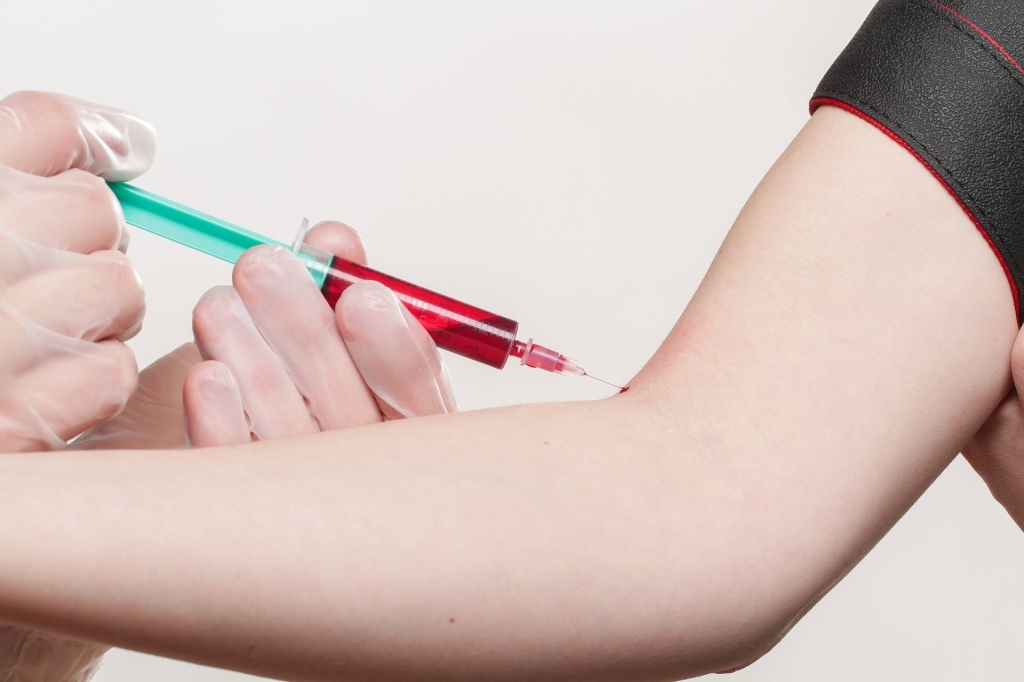
Venipuncture is the most common method used to draw blood, typically from the median cubital vein in the arm.
2. Capillary Puncture
This method involves pricking the skin (usually on a finger or heel) to obtain small blood samples. It is often used for infants or in situations where only a small amount of blood is needed.
3. Arterial Puncture
In this technique, blood is drawn from an artery, often for blood gas analysis. This requires advanced training and is typically performed by physicians or respiratory therapists.
Step-by-Step Guide to Performing Venipuncture
Below is a simplified step-by-step guide to performing venipuncture:
- Prepare Your Equipment: Gather all necessary tools, including gloves, needles, vacutainers, and alcohol wipes.
- Identify the Vein: Palpate the arm to locate a suitable vein.
- Clean the Area: Use an alcohol wipe to disinfect the site.
- Insert the Needle: Hold the skin taut and insert the needle at a 15-30 degree angle.
- Draw Blood: Allow the blood to flow into the vacutainer.
- Withdraw the Needle: Remove the needle and apply pressure with a cotton ball or gauze.
- Label and Dispose: Label your samples and dispose of the needle safely in a sharps container.
Benefits of Phlebotomy Skills
Developing proficient phlebotomy skills offers numerous advantages:
- Career Opportunities: Phlebotomists are in high demand in hospitals, clinics, and labs.
- Healthcare Knowledge: Understanding blood work enhances overall clinical skills.
- Patient Interaction: Building rapport with patients can be both rewarding and beneficial for patient care.
Practical Tips for Phlebotomists
Here are some practical tips for aspiring phlebotomists:
- Stay Calm: A calm demeanor helps put patients at ease.
- Practice Good Communication: Explain the procedure to patients to reduce anxiety.
- Ensure Hygiene: Always follow infection control protocols.
Case Studies: Real-Life Experiences in Phlebotomy
Here are two brief case studies highlighting real-life experiences in phlebotomy:
| Case Study | Description | Key Takeaway |
|---|---|---|
| Home Health Patient | A phlebotomist performed a blood draw for an elderly patient at home, demonstrating compassion and adaptability. | Flexibility is key in diverse patient environments. |
| Pediatric Patient | A phlebotomist encountered a scared child, successfully using distraction techniques to ease fear during the blood draw. | Effective communication can greatly improve the patient experience. |
First-Hand Experience: The Life of a Phlebotomist
As a phlebotomist, every day is different. From interacting with patients to working closely with doctors and lab technicians, the role encompasses various responsibilities. A typical day might involve:
- Drawing blood samples for routine tests.
- Assisting in transfusion services.
- Maintaining accurate records of blood draws.
- Continuously updating skills through training sessions.
Many phlebotomists report that one of the most rewarding aspects of their job is making a difference in people’s lives through health interventions.
Conclusion
Phlebotomy is a skilled discipline crucial to modern healthcare. With the right techniques, practical knowledge, and compassionate communication, you can excel in this field. Whether you’re aiming for a career as a phlebotomist or simply interested in the intricacies of blood drawing, this guide serves as a solid foundation for understanding the essentials of phlebotomy.
Don’t forget to practice continuously and stay current with advances in techniques and technologies. Happy drawing!