Unlock Your Future: A Comprehensive Guide to Studying Phlebotomy
Are you considering a career in healthcare that requires minimal training yet offers substantial job security and fulfillment? Look no further than phlebotomy. As a vital component of the healthcare industry, phlebotomists play an essential role in patient diagnosis and care. This comprehensive guide will provide valuable insights into studying phlebotomy, its benefits, practical tips, and more.
What is Phlebotomy?
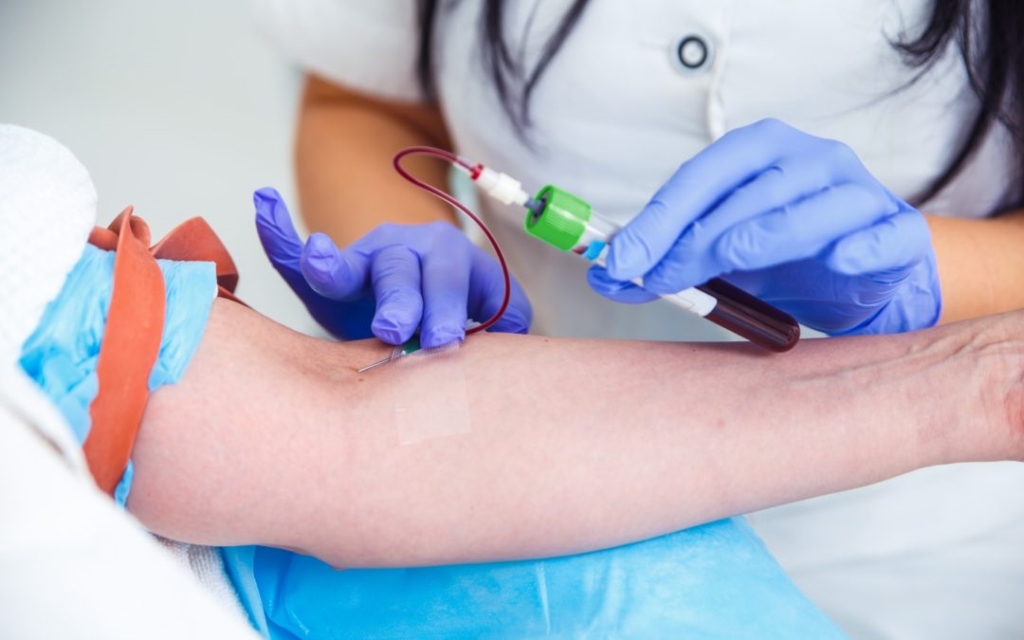
Phlebotomy is the practice of drawing blood from patients for various medical purposes, including testing, donation, and transfusion. This essential skill is often performed by trained professionals known as phlebotomists, who are crucial for accurate diagnosis and treatment in healthcare settings.
Why Study Phlebotomy?
Choosing to study phlebotomy opens the door to several exciting opportunities and benefits:
- Short Training Duration: Most phlebotomy training programs last several months, allowing you to enter the workforce quickly.
- High Demand: With an aging population and the increasing need for blood testing, the demand for skilled phlebotomists is on the rise.
- Flexible Work Arrangements: Phlebotomists can work in hospitals, clinics, blood donation centers, and more, offering various schedule options.
- Competitive Salary: The average salary for phlebotomists ranges from $30,000 to $50,000 per year, depending on experience and location.
Steps to Become a Phlebotomist
Embarking on a phlebotomy career involves several steps:
1. Research Phlebotomy Programs
Explore accredited phlebotomy programs offered by community colleges, vocational schools, and online platforms. Look for programs that include both coursework and hands-on clinical training.
2. Complete Required Coursework
Courses will typically cover topics such as:
- Anatomy and Physiology
- Medical Terminology
- Phlebotomy Techniques
- Infection Control Procedures
3. Gain Practical Experience
During your training, you will participate in practical sessions that allow you to practice blood draws under supervision. This experience is crucial for building confidence and developing your skill set.
4. Obtain Certification
Most employers prefer phlebotomists who are certified. Certification exams are available through organizations such as:
- American Society for Clinical Pathology (ASCP)
- National Healthcareer Association (NHA)
- National Phlebotomy Association (NPA)
5. Start Your Job Search
Once you’ve completed your training and obtained certification, you can begin your job search. Tailor your resume and cover letter to highlight your training and skill set.
Benefits of Becoming a Phlebotomist
Aside from the basic requirements and steps to entering the field, becoming a phlebotomist has numerous advantages:
Job Security
The healthcare industry is consistently growing, ensuring demand for phlebotomists remains high.
Ability to Help Others
Phlebotomists play a vital role in patient care, impacting lives through their work.
Opportunities for Advancement
With additional training, phlebotomists can advance their careers into related fields such as laboratory technology or nurse assisting.
Practical Tips for Aspiring Phlebotomists
Here are some practical tips to enhance your study and preparation for a career in phlebotomy:
- Practice Your Skills: Take advantage of opportunities to practice blood draws in a safe and supervised environment.
- Network: Join professional organizations and attend workshops to meet others in the field.
- Stay Updated: Keep abreast of the latest techniques and technologies in phlebotomy through continuing education.
Real-World Experiences and Case Studies
Gaining insights from those already working in the field can provide valuable perspectives on what to expect:
Example: John Smith, Certified Phlebotomist
John describes his journey as a phlebotomist as rewarding but challenging. “The best part of my job is knowing that I am making a difference in patients’ lives. However, it is important to remain calm under pressure, especially in a busy hospital setting,” he shares.
Example: Sarah Johnson, Phlebotomy Instructor
Sarah emphasizes the importance of empathy. “Patients may feel anxious about having their blood drawn. It’s essential to communicate clearly and reassure them throughout the process,” she advises.
Phlebotomy Certifications and Their Importance
Certification is a critical step in establishing your credibility as a phlebotomist. It demonstrates your commitment to the profession and enhances your job prospects. Here’s a brief look at some popular certifications:
| Certification Body | Prerequisites | Exam Format |
|---|---|---|
| ASCP | Completion of an accredited program | 80 multiple-choice questions |
| NHA | Minimum of 120 clinical hours | 100 multiple-choice questions |
| NPA | 550 hour training program | 100 multiple-choice questions |
Conclusion
Studying phlebotomy is a smart and fulfilling career choice for those looking to enter the healthcare field quickly and make a meaningful impact. By following the steps outlined in this guide, you can unlock a future filled with opportunities, growth, and the chance to help others. Whether you’re just beginning your research or are ready to enroll in a training program, pursuing phlebotomy can set the course for a rewarding and stable career in healthcare.