Master Phlebotomy: Your Ultimate Guide to Becoming a Skilled Blood Collection Expert
Phlebotomy is one of the cornerstone skills in the medical field, marking a critical entry point into patient care and diagnostics. If you’re looking to pursue a career in healthcare, becoming a phlebotomist can be incredibly rewarding. This ultimate guide will walk you through everything you need to know to master phlebotomy, from training and certification to tips for success.
What is Phlebotomy?
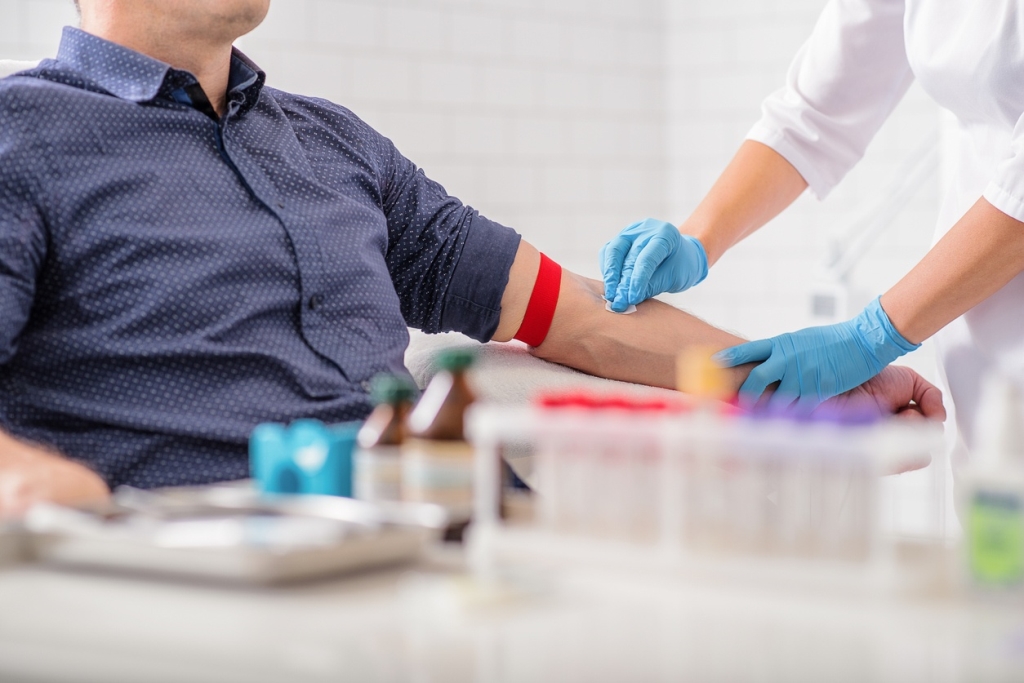
Phlebotomy involves the process of drawing blood from patients for clinical or medical testing, transfusions, donations, or research. Phlebotomists are trained professionals who play a vital role in patient care, ensuring that blood samples are collected safely and effectively.
Benefits of Becoming a Phlebotomist
- High Demand: With a growing healthcare industry, the demand for qualified phlebotomists continues to rise.
- Quick Entry into Healthcare: Training programs typically range from a few weeks to a few months.
- Variety of Work Settings: Phlebotomists can work in hospitals, clinics, labs, and even in patients’ homes.
- Opportunity for Advancement: This role can lead to more advanced positions in healthcare.
Getting Started: Training and Certification
Steps to Become a Phlebotomist
- Research Programs: Look for accredited training programs in your area.
- Complete a Phlebotomy Program: Choose a program that combines coursework with hands-on experience.
- Gain Certification: While not always mandatory, certification can improve job prospects. Some popular certifications include:
- American Society for Clinical Pathology (ASCP)
- National Phlebotomy Association (NPA)
- American Certification Agency (ACA)
- Get Clinical Practice: Complete required clinical hours to gain real-world experience.
- Apply for Jobs: Update your resume and start applying to phlebotomy positions.
Phlebotomy Training Curriculum
The curriculum for phlebotomy training generally includes:
- Basic anatomy and physiology
- Blood collection techniques
- Infection control procedures
- Patient communication skills
- Ethics and legal issues in healthcare
Essential Skills for Phlebotomists
To excel as a phlebotomist, one must cultivate a set of essential skills:
- Technical Skills: Proficiency in various blood draw techniques.
- Attention to Detail: Ensuring accuracy in patient identification and sample handling.
- Interpersonal Skills: Ability to communicate effectively and put patients at ease.
- Problem-Solving Skills: Addressing issues during blood collection and managing complications.
Practical Tips for Success in Phlebotomy
- Practice Makes Perfect: Gain as much hands-on experience as possible during your training.
- Stay Calm Under Pressure: Learn relaxation techniques to help manage both your stress and that of your patients.
- Keep Learning: Attend workshops and seminars to stay updated on the latest techniques and technologies.
Case Studies: Real-World Experience in Phlebotomy
Case Study 1: First-Time Patient Interaction
When handling a first-time patient, a phlebotomist used humor to lighten the mood. After explaining the procedure in simple terms and answering questions, the patient felt more at ease, leading to a successful blood draw without complications.
Case Study 2: Managing Complications
A phlebotomist encountered a patient who had a strong aversion to needles. By employing desensitization techniques and offering reassuring words, they managed to complete the blood draw successfully, earning the patient’s trust and confidence.
Getting Certified: Everything You Need to Know
Certification is a formal acknowledgment of a phlebotomist’s competence, and while state laws differ on certification requirements, having it can significantly boost your employment prospects. Below are key points regarding certification:
| Certification Body | Requirements | Validity Period |
|---|---|---|
| ASCP | Complete a training program or have clinical experience | 3 years |
| NPA | Complete an accredited program and pass exam | 2 years |
| ACA | Training completion and continuing education | 2 years |
Conclusion
Becoming a phlebotomist is not just about mastering the technical skills of blood collection. It involves a deep commitment to patient care and safety. With the right training, certification, and dedication, you can excel in this rewarding field, making a significant impact on your patients’ lives. Start your journey today and become a skilled blood collection expert who stands out in the healthcare profession!
Enroll in a Phlebotomy Program Today!