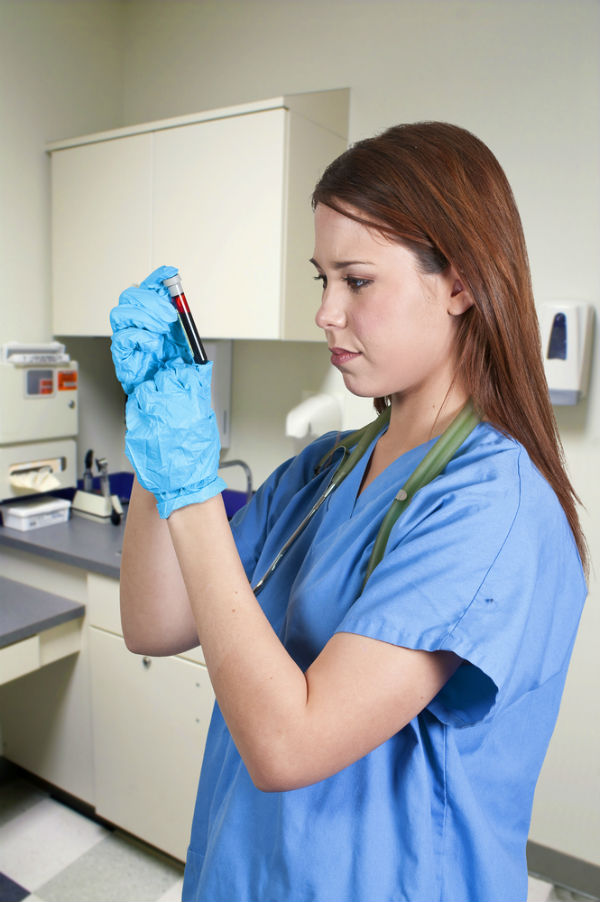
Understanding Phlebotomy: A Complete Guide to the Art of Blood Collection
Phlebotomy is more than just a medical procedure; it’s an essential skill that requires precision, knowledge, and compassion. This comprehensive guide will help you understand the nuances of phlebotomy, including its techniques, benefits, and the vital role it plays in healthcare.
What is Phlebotomy?
Phlebotomy is the practice of drawing blood from a patient for various medical purposes. This could include diagnostics, transfusions, donations, or research. A trained professional, known as a phlebotomist, performs this procedure using aseptic techniques to minimize discomfort and risk of infection.
Why is Phlebotomy Important?
The importance of phlebotomy can be summarized in the following key points:
- Diagnostic Testing: Blood samples are crucial for accurate diagnoses of diseases and health conditions.
- Monitoring Health: Regular blood tests help track health changes over time.
- Research and Development: Blood samples contribute to medical research, improving treatment protocols.
- Transfusions and Donations: Safe blood collection is vital for emergency situations and surgeries.
The Phlebotomy Process
Understanding the phlebotomy process can help demystify the experience for patients. Here are the general steps involved:
1. Preparation
- Verify the patient’s identity.
- Ensure informed consent is obtained.
- Gather necessary supplies, including gloves, needles, tubes, and alcohol wipes.
2. Site Selection
- Common sites include the antecubital fossa (inside of the elbow) and veins in the back of the hand.
- Select the most suitable vein; ideally one that is palpable and not too small.
3. Blood Collection
- Apply an alcohol wipe to clean the site.
- Use a tourniquet to engorge the vein and make it easier to locate.
- Insert the needle at a 15 to 30-degree angle.
- Collect the required amount of blood in the designated tubes.
4. Post-Collection
- Remove the needle, apply pressure to the site, and secure with a bandage.
- Label the blood samples accurately.
- Dispose of needles and biohazard materials properly.
Benefits of Phlebotomy
Phlebotomy offers several benefits for both patients and healthcare providers:
- Efficiency: Quick and efficient blood collection saves time in clinical settings.
- Patient Safety: Proper techniques minimize potential complications.
- Accurate Results: High-quality blood samples contribute to more accurate lab testing.
Practical Tips for Successful Phlebotomy
Whether you’re a trained professional or just starting in phlebotomy, the following tips can enhance your skills:
- Practice Makes Perfect: Regular practice on volunteers can improve your confidence and technique.
- Stay Calm and Reassured: Communicate with patients to alleviate any anxiety they may have.
- Keep Updated: Stay informed about the latest phlebotomy techniques and best practices.
Case Studies: Real-Life Applications of Phlebotomy
| Case Study | Description | Outcome |
|---|---|---|
| Emergency Care | A patient with an unknown illness needed immediate blood work. | Quick phlebotomy led to a prompt diagnosis and timely treatment. |
| Routine Check-ups | A healthcare facility implemented regular blood tests for monitoring. | Improved detection of health issues among patients over time. |
First-Hand Experience: The Phlebotomy Journey
Several phlebotomists have shared their experiences, emphasizing how rewarding the profession can be. One phlebotomist mentioned, “The first draw is always nerve-wracking, but the gratitude from the patients makes every effort worthwhile!” This sentiment is common among professionals who find joy in making a difference in patients’ lives.
Conclusion
Understanding phlebotomy is essential for aspiring healthcare professionals and anyone interested in the medical field. The skill of blood collection goes beyond mere technique; it requires a compassionate approach and adherence to safety protocols. As healthcare continues to evolve, the role of phlebotomy will remain crucial in ensuring accurate diagnostics and patient care.
Whether you’re considering a career in phlebotomy or simply want to understand the process better, we hope this guide has provided you with valuable insights into the art of blood collection.