Mastering Phlebotomy: The Ultimate Study Guide for Acing Your Certification Test
Becoming a certified phlebotomist is an essential step in medical careers, allowing you to work directly with patients and healthcare professionals. Whether you’re preparing for your certification test or looking to brush up on your skills, this comprehensive study guide is designed to help you master the art of phlebotomy and pass your certification test with flying colors!
Understanding Phlebotomy
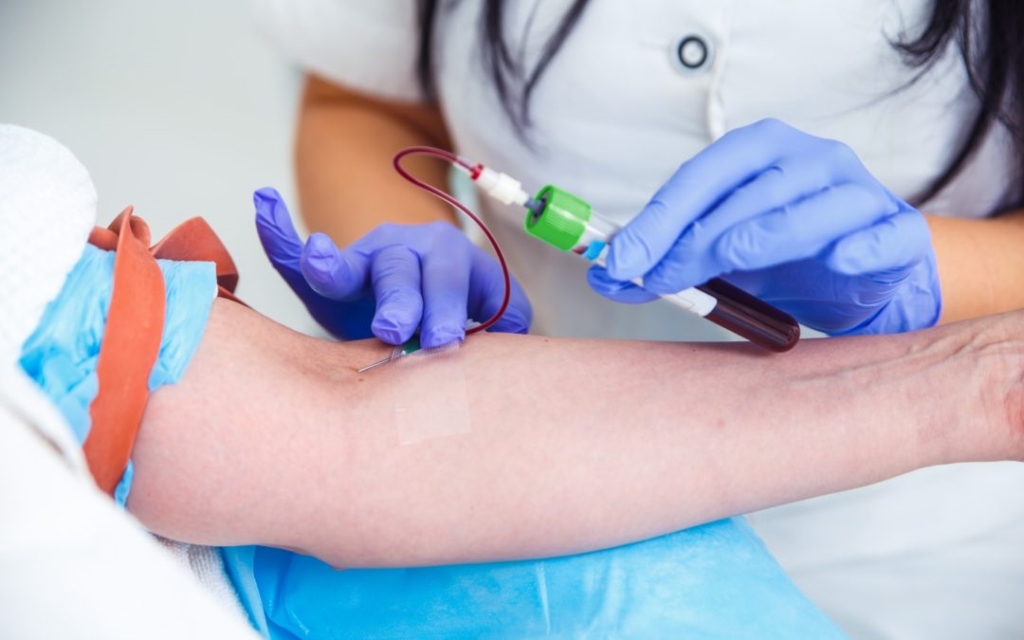
Phlebotomy is the practice of drawing blood for clinical or medical testing, transfusions, research, or blood donations. It is a critical skill in the healthcare system, requiring precision, care, and knowledge of safety protocols.
The Role of a Phlebotomist
Phlebotomists play a key role in patient care, often being the first point of contact in a medical facility. Responsibilities include:
- Collecting blood samples from patients.
- Labeling specimens accurately to prevent mix-ups.
- Ensuring the safety and comfort of patients during the process.
- Maintaining sterile and safe environments.
Preparing for the Phlebotomy Certification Test
Study Resources
Utilize a variety of study materials to ensure a well-rounded understanding of phlebotomy concepts:
- Books: Look for comprehensive phlebotomy textbooks that cover the anatomy, procedures, and ethics.
- Online Courses: Many platforms offer online phlebotomy courses that include video lectures and quizzes.
- Flashcards: Create or purchase flashcards to memorize key terms, anatomy, and procedures.
- Practice Tests: Take practice tests to familiarize yourself with the exam format and drill important information.
Effective Study Techniques
Here are some techniques that will enhance your study efforts:
- Active Learning: Engage with the material through discussions or teaching others.
- Scheduled Study Time: Allocate specific times for studying to ensure consistent learning.
- Break Down the Material: Divide subjects into manageable sections for easier retention.
- Practice Hands-On Skills: Attend workshops or labs to gain practical experience.
Benefits of Certification in Phlebotomy
Obtaining certification opens up numerous opportunities and has significant benefits, including:
- Increased Job Opportunities: Many employers require certification, making you a more competitive candidate.
- Higher Salary Potential: Certified phlebotomists often earn higher wages than their non-certified counterparts.
- Enhanced Skills and Knowledge: The training provides a thorough understanding of safety protocols and patient care.
Common Phlebotomy Procedures and Techniques
Familiarizing yourself with the common procedures is crucial for success in your certification test:
| Procedure | Description |
|---|---|
| Venipuncture | The process of puncturing a vein to obtain blood samples. |
| Capillary Puncture | Using a lancet to obtain blood sample from the fingertip or heel. |
First-Hand Experiences and Case Studies
Learning from others’ experiences can provide valuable insights. Consider these case study examples:
- A phlebotomist shares how building rapport with patients mitigated anxiety during blood draws.
- Another phlebotomist reflects on a challenging situation involving a difficult patient and how they managed it professionally.
Final Tips for Passing Your Certification Test
As you get closer to your certification test, consider these final tips:
- Arrive early to the test center to reduce anxiety.
- Stay hydrated and eat a healthy meal before the exam.
- Read all questions carefully and manage your time effectively during the test.
Conclusion
Mastering phlebotomy requires commitment, dedication, and knowledge. By utilizing this ultimate study guide, you are well on your way to acing your certification test. Remember, the journey to becoming a certified phlebotomist isn’t just about passing an exam; it’s about making a meaningful impact in the lives of your patients. Equip yourself with the right tools, stay motivated, and embrace the learning process.